32 picksRound one
1
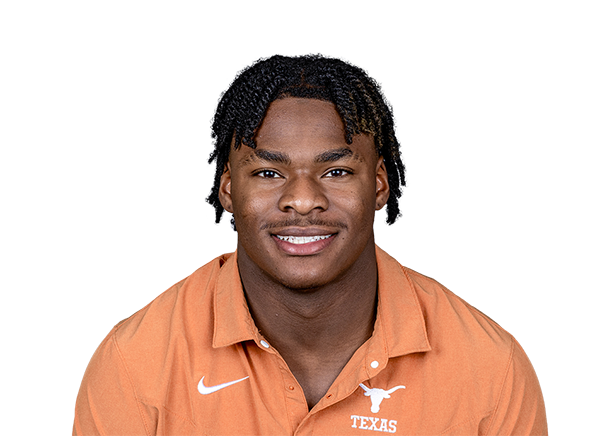

Colin Simmons
EDGETexas
toTitans
Mild reach, ranked 4 and taken 1. Fills their fourth need.
Tennessee has bigger holes at tackle, running back, and interior line, but taking Simmons at the top of the draft is still defensible as a best-player-available move. He's ranked #4 overall, so grabbing him at #1 is a slight reach, but pass rushers with his combination of first-step burst and production are rare, and EDGE sits fourth on the team's own priority list, not an afterthought. Passing on premium blockers stings, but building around a potential double-digit sack producer is a trade-off many front offices would take.
Simmons projects as a wide-9 rusher who wins with elite first-step explosion, ankle and hip flexibility, and violent hand usage, which should translate quickly even against SEC-caliber tackles. He forced six fumbles in two seasons and produced 9.0 sacks as a true freshman before 12.0 through 10 games as a sophomore, giving Tennessee an immediate difference-maker off the edge. The concern is his 240-pound frame getting overwhelmed by maulers and his still-developing counter moves when his first attempt is stopped, meaning he may need packaged pass-rush situations early while he adds functional mass.
Pick grade A+ · Edge rusher
2
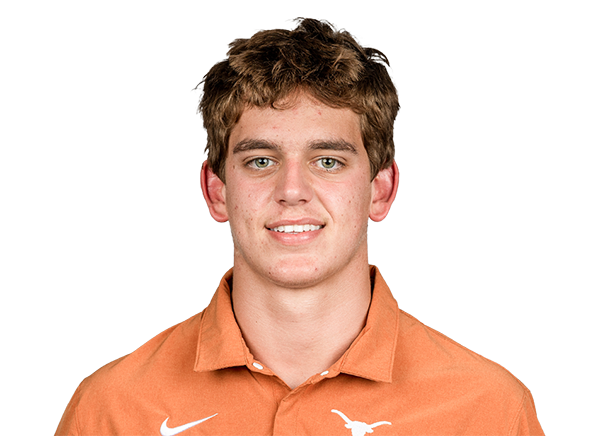

Arch Manning
QBTexas
toDolphins
On the money. Ranked 2, taken 2. Their biggest hole.
Quarterback sits atop Miami's needs list, and Manning grades as the number two player on the board, so this is about as clean a marriage of need and value as a top-two pick can offer. Taking him here isn't a reach, it's simply drafting the best quarterback available at the position you need most, even with a thin overall roster resume behind him.
Manning gives Miami a 6'4", 219-222 pound arm talent with real vertical aggression, a 10.0 aDOT and top-40 big-time throw numbers, plus 4.5 speed that opens up designed-run packages. But the fit comes with real patience required, since he has only 12 career starts, ranked 100th nationally in adjusted completion rate, and his production cratered against tougher competition, dropping from 9.2 to 5.4 yards per attempt. He projects as a developmental starter who needs his mechanics and progression reads cleaned up before he can consistently win against playoff-caliber defenses.
Pick grade A+ · Quarterback
3
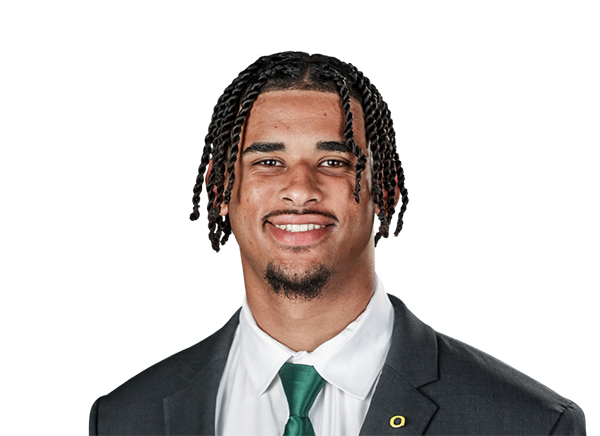
Dante Moore
QBOregon
toBrowns
Mild reach, ranked 6 and taken 3. Their biggest hole.
Quarterback is Cleveland's glaring top need, and after watching Miami snag Arch Manning one pick earlier, the Browns weren't going to risk another year in limbo at the position. Taking Moore at #3 when he's ranked #6 is a mild reach, but with a slim quarterback class and a franchise still searching for its answer under center, jumping the board three spots to secure the QB1 alternative is a defensible bet rather than a reckless one.
Moore gives Cleveland a natural thrower with touch and precise ball placement, a quick 2.73-second release, and the pocket poise to answer in big moments, traits that should mesh well in a structured, rhythm-based passing attack. He's not a finished product, only 19 career starts, a slighter frame, and mechanics that unravel under sustained pressure are real concerns, and his multi-interception outing against Indiana shows the processing issues teams will need to coach up. Expect him to sit initially and develop behind whatever veteran presence Cleveland has in place, with the arm talent and second-reaction ability giving him a real path to starter down the line.
Pick grade A · Quarterback
4
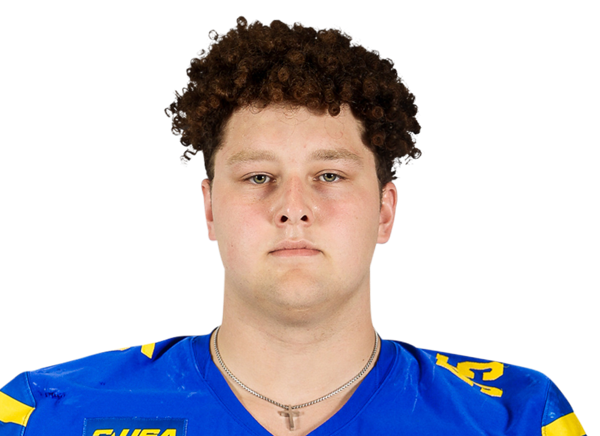

Dylan Stewart
EDGESouth Carolina
toCardinals
On the money. Ranked 5, taken 4. Their second-biggest hole.
With their quarterback need already off the board by pick 4 (as evidenced by two QBs going in the first three selections), Arizona pivots to their next priority, and Stewart fills it as the second-best edge available in this class. Taking him one spot ahead of his consensus rank is a minor reach, but with only one true blue-chip edge (Colin Simmons) already off the board, Arizona isn't gambling much to lock up a top-ten pass rusher rather than risk him sliding to a division rival.
Stewart slots into Arizona's 4-3 as a strong-side edge who can win with length and first-step burst, exactly the traits that produced 4.5 sacks and three forced fumbles as a true freshman. His 6-5, 245-pound frame projects well for setting the edge, though the lighter weight and inconsistent hand usage against SEC tackles suggest he may need early-career reps to fill out and refine his counter moves before becoming a true every-down force. Arizona gets a developmental starter with three-down versatility who can rush from a two-point stance or drop into coverage.
Pick grade A+ · Edge rusher
5
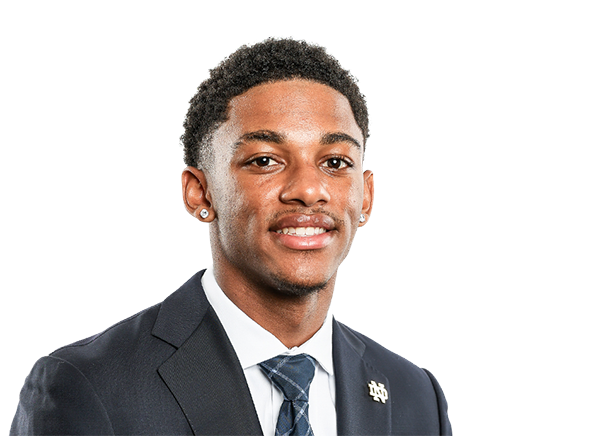

Leonard Moore
CBNotre Dame
toJets
On the money. Ranked 3, taken 5. Their second-biggest hole.
Pick grade A+ · Cornerback
6
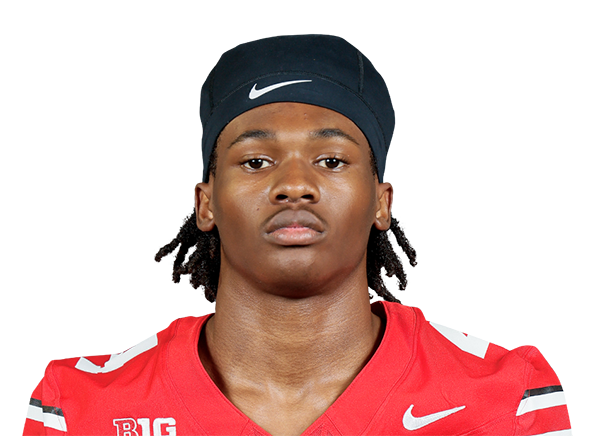

Jeremiah Smith
WROhio State
toFalcons
Slight value, 1 on the board and gone at 6. Their second-biggest hole.
Falcons get a gift here, landing the top-ranked prospect in the entire draft five picks after where he belongs. Wide receiver is their number two need behind quarterback, and with four teams ahead of them prioritizing QB, EDGE and CB, Jeremiah Smith simply fell into their lap. This isn't a reach in any sense, it's a franchise-altering value pick that also happens to fill a real hole on the roster.
Smith slots in immediately as the outside X-receiver Atlanta has been missing, a 6'3", 223-pound target with a 4.32 forty who already has two elite college seasons and a Rose Bowl MVP performance on his resume. His size-speed profile, contested-catch ability and violent after-catch running give the offense a true alpha who wins vertically and after the catch, though his inconsistent blocking effort and creeping soft-tissue injury history are things the training staff will need to manage as he transitions to a heavier NFL workload.
Pick grade A+ · Wide receiver
7
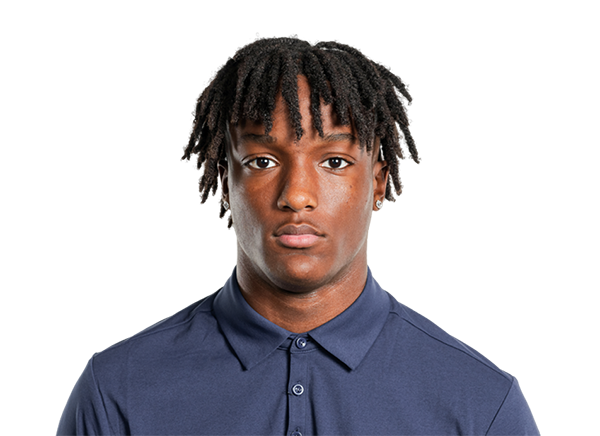

Cam Coleman
WRTexas
toCommanders
On the money. Ranked 7, taken 7. Their biggest hole.
Wide receiver sits atop Washington's need list, and Coleman comes off the board exactly where his talent says he should at pick 7. With Jeremiah Smith already gone one pick earlier to Atlanta, Coleman represents the best remaining receiver on the board, a clean marriage of premium need and true value rather than a reach up the board.
Coleman gives Washington a legitimate outside X-receiver with rare size-speed traits, a 6-3 frame paired with sub-11.4 track speed and a contested-catch radius that bullies smaller corners on fades and red-zone throws. He'll need to clean up his release against press and tighten a drop rate that crept up, and his hip stiffness on short-area breaks means he projects best as a vertical boundary weapon early rather than an every-route X, but that skill set fills a real void in the offense's downfield game.
Pick grade A · Wide receiver
8


Julian Sayin
QBOhio State
toPanthers
Mild reach, ranked 14 and taken 8. Their biggest hole.
Quarterback sits atop Carolina's need list, so the direction makes sense even if the price does not quite line up with the board. Taking Sayin at 8 when he's ranked 14th means jumping ahead of at least two other passers who already came off the board earlier in this class (Manning and Moore), suggesting the Panthers targeted him specifically rather than just following need. It's a defensible reach if they believe in his accuracy profile over the raw traits of players ranked higher, but it is still a six-spot bet on projection.
Sayin's calling card is timing and anticipation, a 77.0% completion rate and 9.2 yards per attempt in his first year as a starter, which fits a rebuild that needs a plug-and-play processor rather than a project. At 6-1, 208 pounds with good-not-great arm strength, he profiles closer to a Bo Nix or Brock Purdy type who wins through rhythm and placement rather than power, and Carolina would need to build a scheme around quick game and play-action rather than asking him to drive the ball 55 yards downfield. The concern is the thin sample of just 14 college starts and questions about whether he can operate off schedule against NFL pressure.
Pick grade A- · Quarterback
9
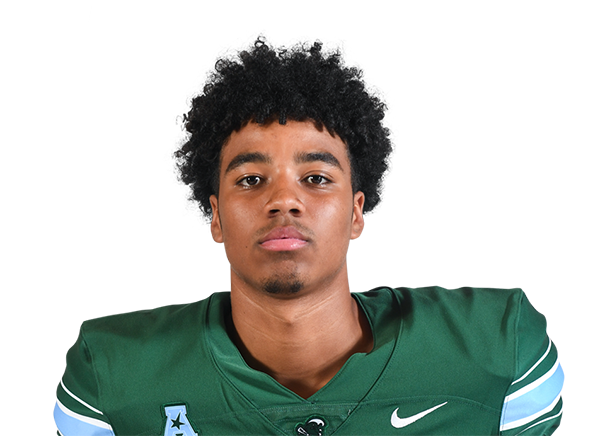

Darian Mensah
QBMiami
toSteelers
Mild reach, ranked 15 and taken 9. Their biggest hole.
Pittsburgh's quarterback situation has been a long-running problem, and with QB sitting as the clear top need on this board, the Steelers jump six spots ahead of Mensah's #15 ranking to make sure they land their guy rather than risk losing him in a run on passers. This is the third quarterback off the board in nine picks, so the front office clearly felt urgency rather than patience. It's a defensible reach given the positional value of quarterback, even if the pure rankings say they paid a premium.
Mensah brings exactly the kind of accuracy-first, high-processing game that can thrive behind a functional offensive infrastructure, completing over 70% of his throws at Duke and posting a 10:1 TD-to-INT ratio on intermediate routes. He's not going to punish teams with arm strength, and at roughly 205 pounds with a habit of drifting past his ideal pocket depth, durability and pocket management will be things a young quarterback under NFL pressure has to prove. Pittsburgh will likely bring him along as a developmental piece who wins with anticipation and ball placement rather than asking him to be a rookie savior immediately.
Pick grade A- · Quarterback
10
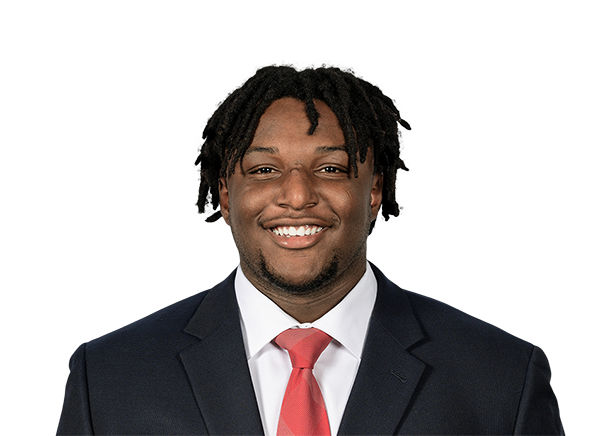
David Stone
DLOklahoma
toJets
On the money. Ranked 10, taken 10. Best player available over need.
After grabbing Leonard Moore at corner with the fifth pick, the Jets pivot to pure value at ten, landing David Stone exactly where he's ranked. IDL sits third on their needs list, so this isn't a total departure from need, but it's really a best-player-available call given the talent still on the board relative to a 4-3 front that can use an attacking three-technique. With bigger holes at QB and CB largely accounted for by this point in a strong draft class, taking the top interior lineman on the board is a defensible, low-risk building block.
Stone's explosive first step, near 35-inch arms, and violent hand usage make him a natural three-technique in a 4-3 scheme, and his 18.6% run-stop rate that led Oklahoma's interior rotation shows he can hold up against the run immediately. He led all SEC defensive tackles in pressures and tied for fourth in conference sacks despite limited snaps, suggesting real pass-rush upside once he develops a counter plan beyond his current linear, power-based approach. The Jets get a disruptive, high-motor piece for their defensive line, though his overaggressiveness and misdirection issues mean he'll need coaching to avoid getting run out of plays early on.
Pick grade A · Dl · via from IND
11
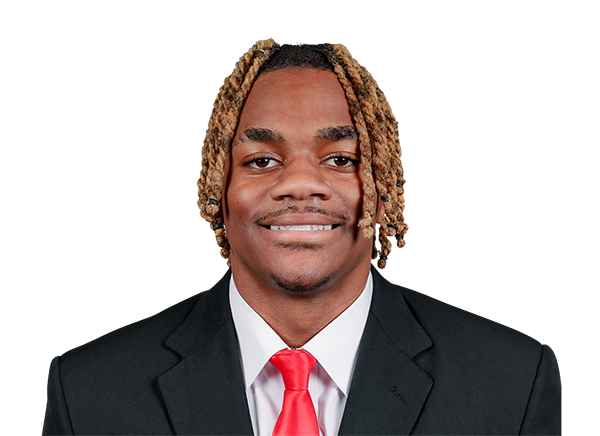

KJ Bolden
SGeorgia
toRaiders
On the money. Ranked 13, taken 11. Their second-biggest hole.
Safety is Las Vegas's second-biggest need, and Bolden was the top player left at the position, so grabbing him here isn't a stretch in terms of team-building logic even if it costs a couple spots of pure value. Taking him at 11 over his 13 ranking is a minor reach, but with wide receiver need not matched by a clear WR1 still on the board, prioritizing a blue-chip Georgia safety over reaching for a lesser fit elsewhere is defensible.
Bolden slots in as an immediate three-level safety who can play deep middle, box, or slot, which gives a 4-3 defense real flexibility in how it disguises coverage. His 13 coverage stops in 2025 and 10.76-speed range show up on tape as legitimate hash-to-sideline closing burst, and he's a willing, disciplined tackler despite a lean 185-195 pound frame. The concern is functional mass against bigger tight ends and some inconsistent angles in space, so Las Vegas may ease him in situationally before handing him a full-time deep safety role.
Pick grade A- · Safety
12
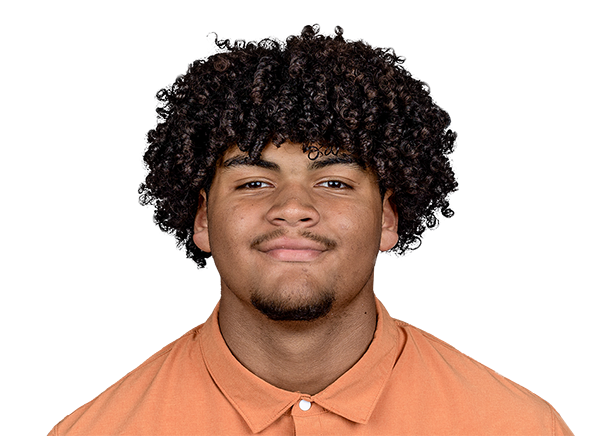

Trevor Goosby
OTTexas
toSaints
Slight value, 8 on the board and gone at 12. Their biggest hole.
Offensive tackle is New Orleans' top priority, and Goosby landing at 12 is real value given he graded out as the 8th-best prospect on the board. Rather than reach for a need player, the Saints get to check their biggest box while still adding a player who slid to them, a rare best-of-both-worlds scenario early in Round 1. The trade-off is patience, since Goosby only has one full season as a starter and still has technical rough edges to iron out.
At 6'7
Pick grade A · Offensive tackle
13
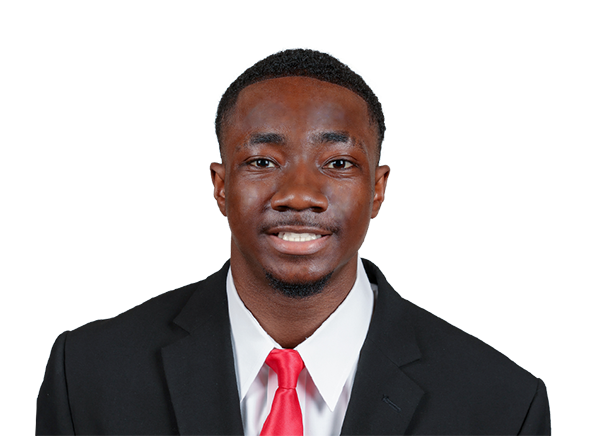

Ellis Robinson IV
CBGeorgia
toBuccaneers
On the money. Ranked 11, taken 13. Their second-biggest hole.
Cornerback sits right behind interior offensive line on Tampa Bay's board, so grabbing Robinson at 13 addresses their second-biggest hole without much of a reach, since he actually slid two spots past his rank of 11. With no corner off the board yet in this draft besides Leonard Moore at pick five, Tampa Bay gets a ball-hawking playmaker who tied for the SEC lead in interceptions as a first-year starter. It is a sound value pick that lets them come back for the offensive line early on Day 2.
Robinson's zone instincts and knack for baiting quarterbacks fit naturally into a 3-4 scheme that leans on cornerbacks reading routes rather than pressing bigger receivers all game. His length lets him squeeze throwing windows, and he showed it off by smothering Alabama's receivers in the SEC Championship, but at 180 pounds he's still vulnerable to bigger receivers at the line, as the 72-yard blown coverage touchdown against Tennessee showed. Tampa Bay will likely ease him in as a zone-heavy boundary or field corner while his frame catches up to his talent.
Pick grade A- · Cornerback
14
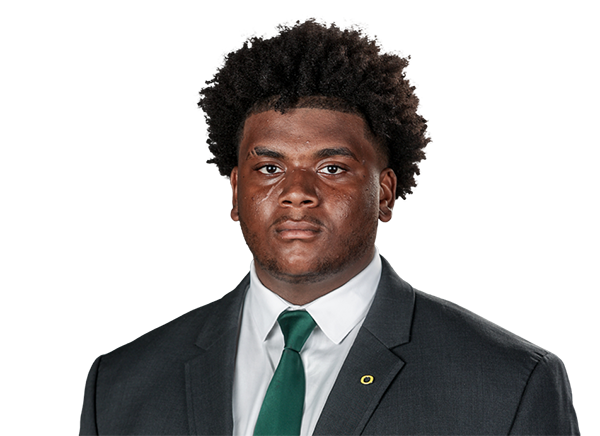

A'Mauri Washington
DLOregon
toChargers
On the money. Ranked 12, taken 14. Best player available over need.
IDL sits at the No. 2 need on the Chargers' board, and Washington falling to 14 despite a 12 grade is the kind of slide that lets a team fill need and value at once. He's not their top priority position, but with cornerback thin behind him at this range, grabbing a Day 2-graded interior disruptor with starter upside is a defensible pivot rather than a reach. This is best-player-available logic dressed up as need filling.
At 6'3
Pick grade A- · Dl
15
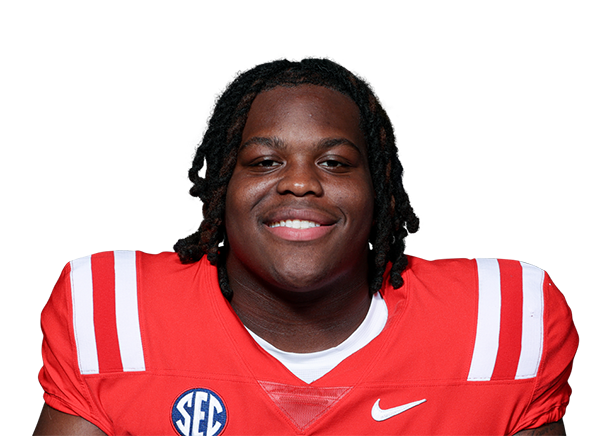

Will Echoles
DL3TOle Miss
toGiants
Mild reach, ranked 20 and taken 15. Best player available over need.
IDL sits at the very top of the Giants' needs list, so even though Echoles grades out at 20 and this pick comes five spots early, it's a defensible reach because it fills the biggest hole on the roster with a player considered a plug-and-play difference maker. New York isn't waiting around for value to fall when the position of need lines up this cleanly with a first-round-caliber talent.
Echoles led all Power Four interior linemen in pressures and stops in 2025, and that kind of disruption is exactly what the Giants' front has been missing. He fits a 3-4 scheme well as a penetrating 3-technique who can knife into gaps and hold up against double teams, though his ten missed tackles and pad level that rises late in games are things the coaching staff will need to coach up as he transitions to a featured interior role.
Pick grade A- · Interior d-line
16
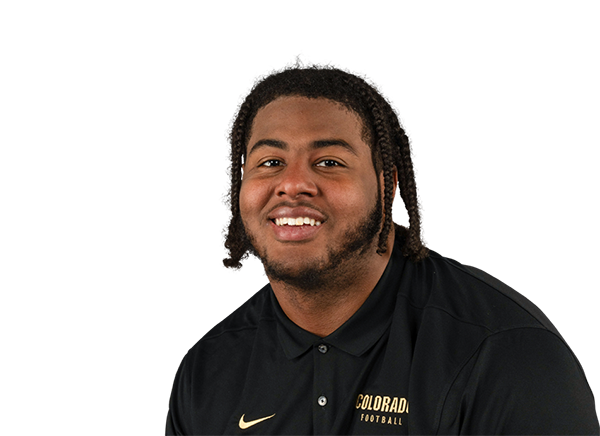

Jordan Seaton
OTLSU
toCowboys
Slight value, 9 on the board and gone at 16. Their biggest hole.
Offensive tackle sits atop Dallas's need list, and Seaton falling to 16 after grading as the No. 9 overall prospect is the kind of value teams dream about on draft night. He's not a reach here; he's a slide, and the Cowboys are simply the beneficiary of a board that pushed a top-10 talent seven spots into their lap. Addressing the blindside protection need with arguably the best pure pass-protecting tackle in the class is about as clean a pairing of need and value as this draft offers.
Seaton's calling card is exactly what a tackle-needy team wants to hear: only five sacks allowed on 940 career pass-blocking snaps and a 79.7 pass-block grade, with the lateral quickness and punch timing to mirror speed rushers off the edge. Dallas gets a potential long-term left tackle who was grading out as college football's best true-freshman pass protector before adding All-Big 12 recognition. The trade-off is the run game, where his 57 career run-block grade and inconsistent second-level work will need real development, and the late-2025 injury that ended his season adds a durability question the staff will have to monitor.
Pick grade A · Offensive tackle · via from GB
17
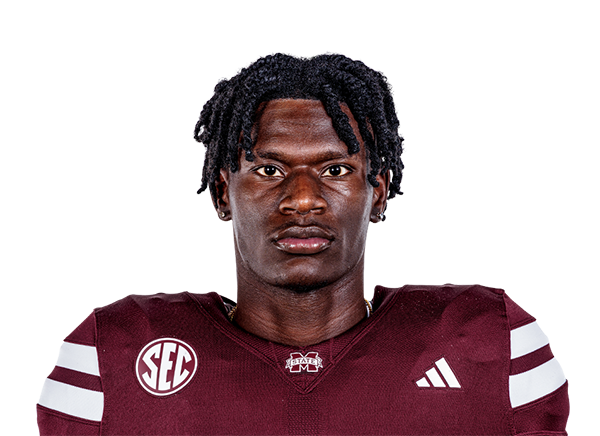

Kelley Jones
CBMississippi State
toBears
A reach. Ranked 25, taken 17. Their second-biggest hole.
Cornerback sits at the Bears' number two need, so this pick addresses a real hole even if the reach stings a little. Taking Jones eight spots ahead of his consensus grade of 25 shows Chicago prioritizing his ceiling and traits over a cleaner value play, especially with two other corners already off the board earlier in round one. It's defensible given the positional need, but it's a bet on projection over proven résumé.
Jones brings exactly the length and press-man skill set a 4-3 defense covets, standing 6-foot-4 with the frame to contest at the catch point and the ball skills to show for it, including two interceptions and 11 pass breakups in his lone breakout season. He'll need time to add strength to his 195-pound frame and prove himself against a full slate of SEC-caliber competition, but Chicago can bring him along as a developmental boundary corner who eventually starts opposite their existing cornerback room, leaning on his instincts in both man and zone while his tackling and physicality catch up to his coverage traits.
Pick grade B+ · Cornerback
18
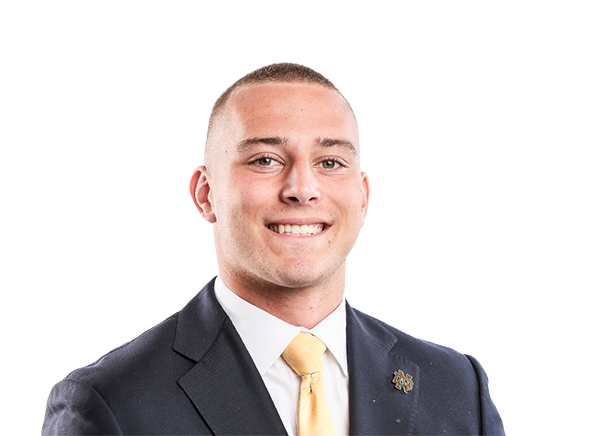

CJ Carr
QBNotre Dame
toVikings
On the money. Ranked 18, taken 18. Their biggest hole.
Quarterback is Minnesota's clear top need, and Carr comes off the board at #18 exactly where he's ranked, so this is a clean value pick rather than a reach. With two other QBs already gone earlier in the round (Arch Manning at #2, Dante Moore at #6), the Vikings are betting on Carr's polish and processing over the flashier upside plays who went before him. It's a structure-first, timing-based investment at the position that matters most.
Carr's compact release, elite rhythm accuracy, and Notre Dame-record 168.06 passer rating suggest he can slide into an offense that scripts throws and gives him answers before the snap, which plays to his strength as a distributor rather than an improviser. The concern is his 210-pound frame and complete lack of mobility, with negative rushing yards in 2025, which will be tested behind an NFL line, and his ranked-opponent split (5 INTs, 6.3 yards per attempt against ranked teams versus dominant numbers elsewhere) raises real questions about how he handles sustained pressure and elite competition at the next level.”}}}}{
Pick grade A- · Quarterback
19
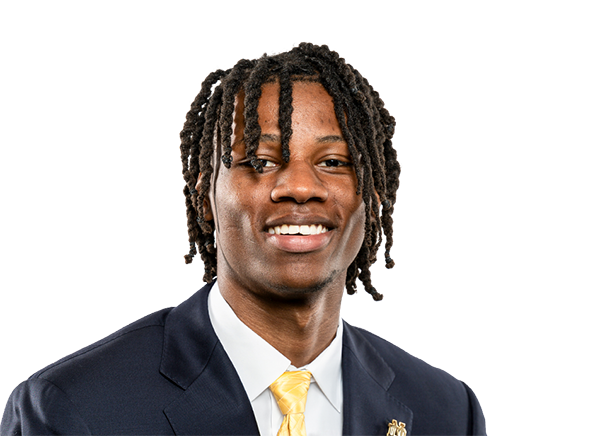

Tae Johnson
SNotre Dame
toJaguars
On the money. Ranked 17, taken 19. Best player available over need.
With no glaring positional need dictating the pick, Jacksonville simply grabs the best player left on the board. Johnson slid two spots past his rank of 17 to fall to 19, and that kind of value is hard to pass on regardless of roster fit, especially for a safety with this much ballhawking upside. Taking a rangy, ball-skilled defensive back this early is a defensible bet on talent over need.
Johnson's background as a converted receiver shows up in his instincts, he reads routes from depth, finds the ball in the air, and finished 2025 with four interceptions and only two missed tackles all season. In a 4-3 scheme, his versatility to play free safety, box, or slot gives Jacksonville flexibility, though his high-cut, light frame and inconsistent pursuit angles mean he'll need to add strength before he's trusted as a full-time run defender against NFL blockers.
Pick grade A- · Safety
20

Drew Mestemaker
QBOklahoma State
toJets
A reach. Ranked 35, taken 20. Their biggest hole.
Quarterback sits atop the Jets' need list, and after using their first two picks on cornerback and defensive line, they finally address it here, even if reaching 15 spots up the board for Mestemaker is a gamble. With Sayin, Mensah and Carr already off the board to other teams, the Jets may have felt the QB pool thinning and jumped rather than risk missing out entirely. It's an aggressive, arguably premature move on a player still unproven against Power 4 competition.
Mestemaker offers the Jets a big-armed, quick-release passer who led the FBS in passing yards and threw 34 touchdowns against just nine picks, with accuracy grades that stand out on deep and intermediate routes. His release starting near the hip and tendency to sail boundary throws, plus the fact his two worst outings came against the only ranked defenses he faced, suggest he needs development before starting. For now he projects as a developmental project who can sit and adjust to a real Big 12-caliber jump in competition before ever pushing for the Jets' starting job.
Pick grade B · Quarterback · via from DAL
21
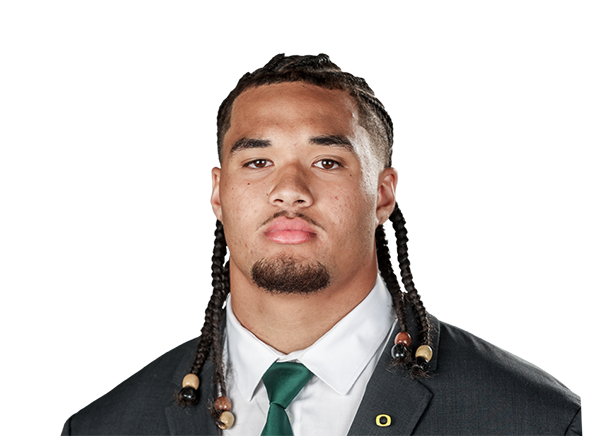

Matayo Uiagalelei
EDGEOregon
toLions
Mild reach, ranked 28 and taken 21. Their second-biggest hole.
Detroit passes on cornerback, their top listed need, to grab an edge rusher seven spots ahead of his consensus grade of 28. That's a real reach on paper, but pass rush was the clear number two priority, and Uiagalelei's blend of size and get-off gives the Lions a long-term answer opposite their existing rush. Given his youth and upside, betting on traits over a small reach in draft slot is defensible for a team that likes to develop.
At 6-foot-5, 272 pounds with a 10.5-sack, 12.5-TFL sophomore season at Oregon, Uiagalelei brings the explosive first step and speed-to-power conversion Detroit's 4-3 front wants off the edge, with the flexibility to align from 3-tech to 9-tech. His long-arm and cross-chop show real hand refinement for his age, but his unrefined pass-rush plan and inconsistent run defense, where he tends to chase rather than set an edge, mean he likely starts as a situational rusher while he polishes his game against NFL tackles.
Pick grade B+ · Edge rusher
22
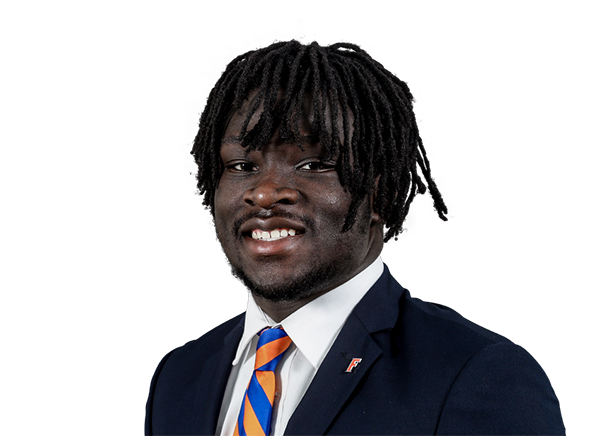

Jadan Baugh
RBFlorida
toTexans
On the money. Ranked 24, taken 22. Their biggest hole.
Running back sits atop Houston's board, and Baugh is the best fit for that need even if it costs a slight reach, going two spots ahead of his #24 ranking. With bigger holes at edge and interior line still on the shelf, taking a workhorse back here signals the Texans value a bell-cow presence immediately over waiting on value at a lower-priority spot. It's a defensible reach given how thin the need was and how complete his skill set is.
Baugh gives Houston a true three-down back, someone who forced 65 missed tackles and racked up over 760 yards after contact in 2025 despite a shaky Florida offensive line. His contact balance, patience, and elite ball security (just one fumble on 254 touches) make him an ideal downhill fit, and his 33 catches show he can stay on the field in passing situations. The tradeoff is his lack of a true breakaway gear and still-raw pass-protection technique, but as a between-the-tackles hammer who can wear down a defense, he answers Houston's most pressing need directly.
Pick grade B+ · Running back
23
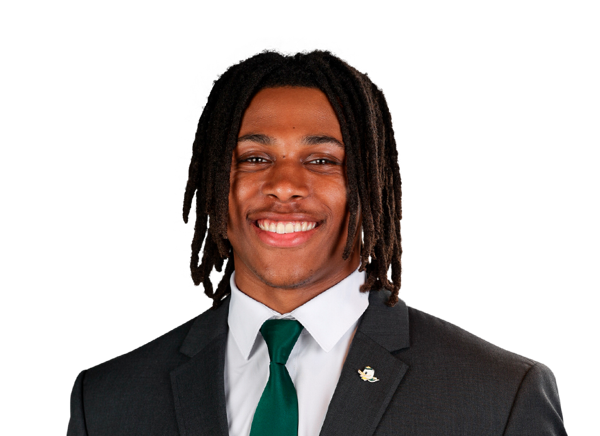

Jamari Johnson
TEOregon
toPatriots
Slight value, 16 on the board and gone at 23. Their biggest hole.
Tight end sits atop New England's need list, and Johnson landing at 23 despite grading out as a top-16 talent is real value rather than a reach. Taking the top tight end in the class to fill the number one need is about as clean a marriage of value and need as a draft board offers, even if he's still raw as a route runner and blocker.
At 6-foot-5, 257 pounds with a quick release and explosive movement after the catch, Johnson gives New England a modern Y who can line up inline over half the time (51.5 percent) while still threatening as a receiver, evidenced by his 2.02 yards per route run and just two drops. He's not yet a finished product, his career production is modest at 45 catches for 668 yards, and his blocking technique and route depth still need polish, so he projects as a developmental starter who can grow into a featured role rather than an instant every-down weapon.
Pick grade A- · Tight end
24
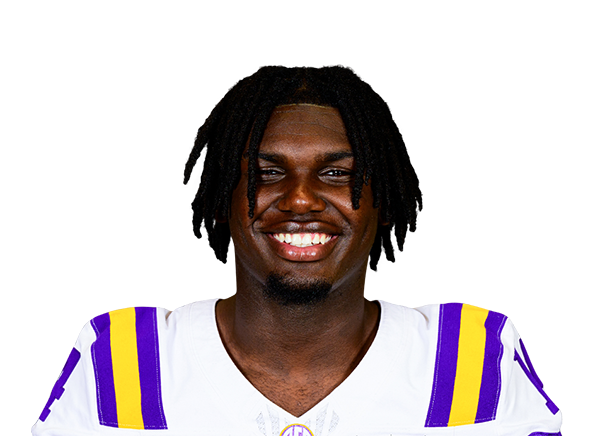

Trey'Dez Green
TELSU
toBroncos
Slight value, 19 on the board and gone at 24. Their second-biggest hole.
Tight end sits at Denver's number two need, and Green falling to 24 after ranking 19th overall is a small gift given his ceiling. Landing a 6-foot-7 athlete with legitimate downfield speed at a spot the team has clearly prioritized this offseason is easy to justify, even with a linebacker need still unaddressed at the top of the board.
Green gives Denver a true mismatch weapon who can line up inline, in the slot, or out wide, which lets the offense move him around and create matchup problems for linebackers and safeties alike. His basketball background shows up in his catch radius and contested-catch ability, and his 4.55 projected speed lets him separate from safeties in a way most tight ends can't. The tradeoff is that he's essentially unproven as a blocker with fewer than 200 career snaps there, and the five drops on 51 targets show the hands still need refinement, so early usage will likely lean heavily on detached, matchup-based reps rather than a traditional Y role.
Pick grade A- · Tight end
25
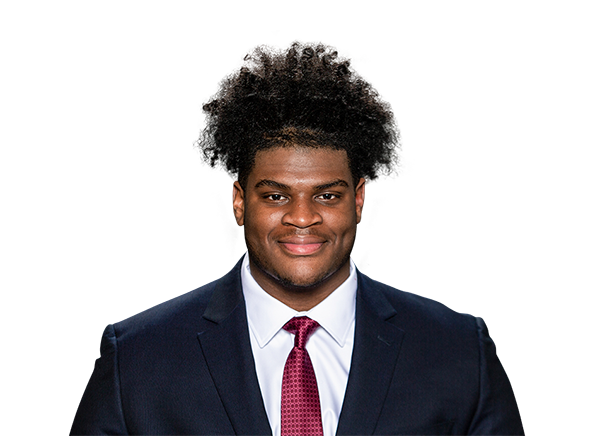

Cayden Green
OTMissouri
toBengals
Slight value, 22 on the board and gone at 25. Their second-biggest hole.
Offensive tackle sits at the Bengals' number two need, and Green comes off the board at 25 after ranking 22nd overall, a modest slide that still counts as fair value. With linebacker thinner at this point in the draft, Cincinnati opts to shore up the line in front of its passing game rather than force a need pick at a weaker position, betting on a big, powerful blocker who started three years at two SEC-caliber programs.
Green's calling card is raw power, a strong initial punch and an anchor that holds up early against bull rushers, which fits nicely if Cincinnati kicks him inside to guard rather than asks him to hold up on the edge. His limited lateral quickness and shaky footwork against speed and cross-face moves make him a shakier bet at tackle, but his experience in both zone and gap schemes at Missouri gives the staff flexibility to develop him as a guard first, tackle depth second, while his 2025 left tackle snaps show some untapped upside if his hand placement and pad level clean up.
Pick grade B+ · Offensive tackle
26


Carter Smith
OTIndiana
toEagles
On the money. Ranked 27, taken 26. Fills their fourth need.
Tackle sits fourth on Philadelphia's need list behind safety, interior line, and running back, so grabbing Smith at 26 is a mild reach at his own #27 ranking, but it's a defensible one given how thin depth is behind their starters at the position. With safety and IOL needs likely to be addressed in the coming rounds, the front office is betting that Smith's three years of dominant left tackle tape are worth jumping the board by one spot rather than risking him fall out of reach.
Smith brings a mauling, high-IQ approach to a line that needed reinforcement, with a 3.2% career pressure rate and zero sacks allowed through Indiana's 2025 conference title game showing just how steady he's been. His anchor, hand strength, and finishing mentality make him an ideal plug at tackle or a future kick to guard if his mediocre arm length and stiffness against wide-9 speed rushers show up on Sundays, giving Philadelphia a versatile piece rather than a pure one-position developmental project.
Pick grade B+ · Offensive tackle
27
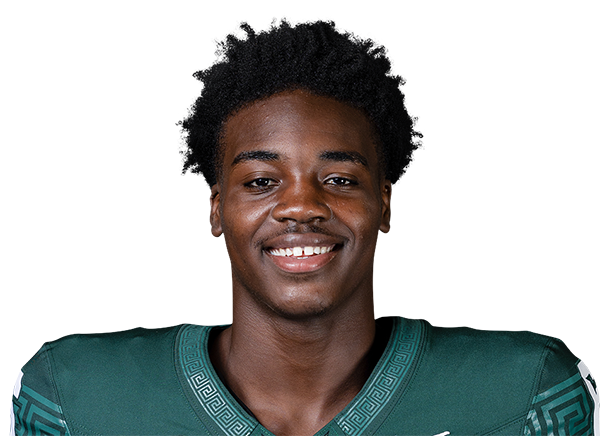

Nick Marsh
WRIndiana
toRavens
Slight value, 21 on the board and gone at 27. Their third-biggest hole.
Baltimore's board had cornerback and tackle stacked higher, but both may have thinned out by 27, so grabbing a receiver who slid six spots past his rank at the WR need slot is a reasonable pivot. The Ravens haven't had a true boundary weapon with this size-speed combination in a while, and getting a player ranked 21st at pick 27 is straightforward value even if it's not the top two priorities on the list.
Marsh brings a 6-foot-3, 203-pound frame and a listed 4.38 forty that gives Baltimore's offense a legitimate outside threat who can win physically at the catch point, something their current receiver room lacks. He's not plug-and-play, though: a sub-60 percent catch rate, three of eleven on contested targets, and ten drops show he needs coaching on hands and consistency before he's trusted in max-protect shots. His 4.8 yards after contact per reception suggests early usage on schemed-up slants and quick game while he develops into a full-time boundary starter.
Pick grade B+ · Wide receiver
28
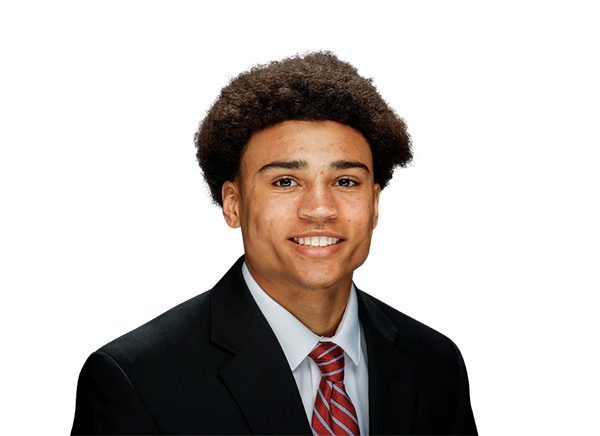

Zabien Brown
CBAlabama
toSeahawks
On the money. Ranked 30, taken 28. Their third-biggest hole.
Cornerback is Seattle's third-ranked need, so this isn't a reach in terms of need, just a slight one on the board since Brown grades a couple spots lower than pick 28. With Leonard Moore, Ellis Robinson IV, and Kelley Jones already off the board, Brown was the best corner left, and taking him here over a marginal value elsewhere is a defensible bet on pedigree and ball production, even if the tape has real questions to answer against bigger receivers.
Brown is a boundary press-man corner with track speed, smooth hips, and a track record of eye-popping plays, including two pick-sixes as a sophomore, one of them a 99-yard return. That profile fits a scheme that wants corners to be physical at the line and comfortable on an island, which matches Seattle's need for a CB who can hold up outside without extra safety help. The concern is his struggles against bigger, more physical receivers and his tendency to lose track of routes in off and zone coverage, issues that could get tested early against SEC-caliber size in the NFL.
Pick grade B+ · Cornerback
29
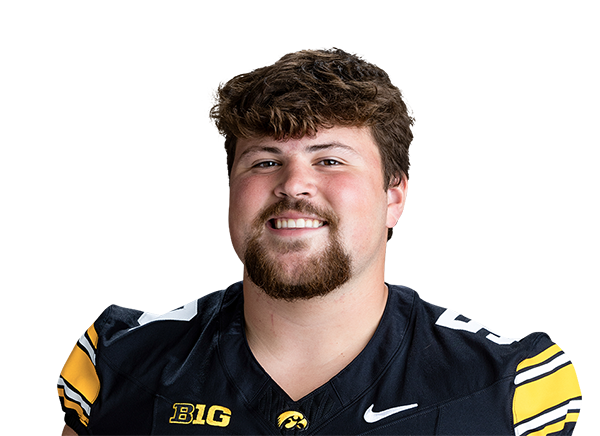

Trevor Lauck
OTIowa
toChiefs
Mild reach, ranked 33 and taken 29. Their second-biggest hole.
Offensive tackle sits at the top of Kansas City's remaining board behind tight end, and taking Lauck four spots ahead of his #33 ranking is a minor reach but a defensible one given how thin the tackle class gets after this run. With three tackles already off the board in the twenties (Goosby, Seaton, Green, Smith), the Chiefs likely felt the position was drying up and moved to secure a technically sound blindside option rather than risk missing entirely.
Lauck's calling card is pass protection, zero sacks allowed and just six pressures across more than 300 snaps in his first year as a starter, which fits a Chiefs offense built around protecting its quarterback. His average foot speed and lighter frame are real concerns against the widest NFL speed rushers, and his run blocking lagged in college, but his hand placement, leverage, and stunt recognition give Kansas City a plug-in candidate at tackle with a fallback plan at guard if his length measures short.”
Pick grade B · Offensive tackle
30
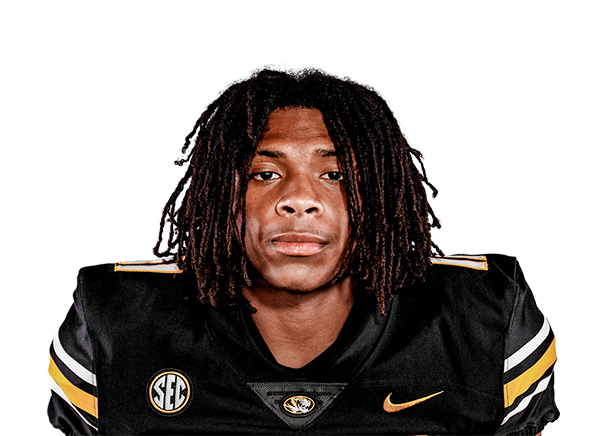

Kewan Lacy
RBOle Miss
to49ers
On the money. Ranked 29, taken 30. Their second-biggest hole.
Running back sits as San Francisco's second-ranked need, and Lacy comes off the board almost exactly where his grade says he should, sliding just one spot to 30. With interior line still the priority, grabbing a bell-cow back here is a reasonable value pick rather than a reach, addressing a real hole in the backfield without overpaying for a positional value that typically doesn't command top-tier draft capital.
Lacy brings exactly what a run-heavy scheme wants: a 24-touchdown workhorse who led the FBS in carries, finished third nationally in rushing yards, and never missed a game despite a massive workload. His contact balance and finish, evidenced by over 1,000 yards after contact, project well as a between-the-tackles hammer and short-yardage weapon. The concerns that dropped him to this range, thin route tree, five drops, three fumbles, and shaky pass-protection at under 210 pounds, mean he likely arrives as part of a committee rather than an every-down back until the receiving and ball security issues improve.
Pick grade B+ · Running back
31
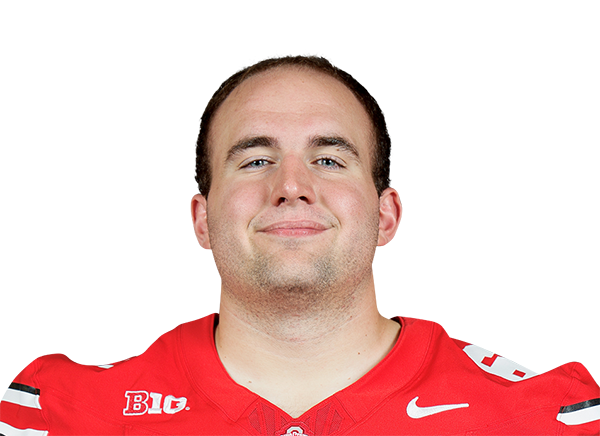

Austin Siereveld
OTOhio State
toBills
Mild reach, ranked 36 and taken 31. Their biggest hole.
Offensive tackle sits at the top of Buffalo's need list, and Siereveld addresses it directly, even if taking him at 31 means jumping him five spots ahead of his #36 consensus grade. That's a modest reach, but defensible given how thin the tackle class gets after the top tier and how much value Buffalo places on protecting its investment up front. Grabbing a captain with 1,102 snaps of high-level competition and zero sacks allowed in his 13 starts at left tackle is a reasonable price to pay for positional certainty this early.
Siereveld brings exactly the kind of phone-booth power and finishing temperament that plays well in a physical, gap-scheme running attack, and his versatility across left tackle and both guard spots gives Buffalo flexibility along an offensive line that lists both OT and IOL as top needs. His below-average arm length and tendency to bend at the waist against longer rushers are the reasons he's not a top-20 tackle prospect, and many evaluators already project him inside at guard long-term, but his advanced hand usage and stunt recognition should let him compete early regardless of where he lines up.
Pick grade B · Offensive tackle
32
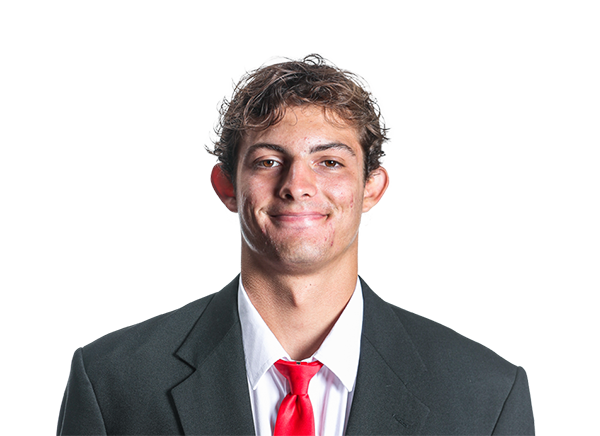
Charlie Becker
WRIndiana
toBrowns
Value. Ranked 23 on the board, off at 32. Fills their fifth need.
Cleveland already used its top pick on Dante Moore at quarterback, so the second first-rounder becomes about surrounding the young passer with weapons. WR sits fifth on the team's need list, but getting a player ranked 23rd overall fall to pick 32 is too much value to pass on, even with bigger holes at TE, IDL, and CB still unaddressed. It's a bet that Becker's ceiling outweighs the more pressing depth concerns elsewhere on the roster.
Becker gives Cleveland a legitimate outside vertical threat at 6-foot-4 with track speed and a perfect catch rate on contested targets, exactly the kind of boundary weapon a rookie quarterback like Moore can lean on for chunk plays and 50-50 balls. The tradeoff is volume. He played under 200 routes and never carried a true target load at Indiana, with most of his production packed into the final months of the season, so Cleveland will need patience while he grows from situational deep threat into a full-time starter.
Pick grade B+ · Wide receiver · via from LAR
32 picksRound two
33
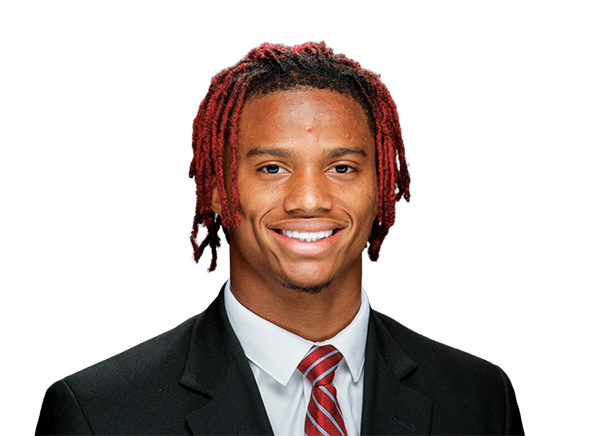
Ryan Coleman-Williams
WRAlabama
toTitans
Slight value, 26 on the board and gone at 33. Fills their sixth need.
Tennessee's board had holes at tackle, running back, and interior line, but with those needs thinning by pick 33 and Coleman-Williams sliding seven spots past his rank of 26, the Titans grabbed talent over need. WR sits sixth on their priority list, so this is a value play more than a need-fill, but getting a player of this ceiling that late in Round 2 is hard to pass up given how the board fell.
Coleman-Williams gives the Titans the explosive vertical element they lack, with track speed, natural deep-ball tracking, and 7.5 yards after contact per reception that shows up in space. He is not an immediate fix for their bigger trench needs, but as a rotational weapon who can stretch the field and take handoffs on jet sweeps, he adds juice to an offense still figuring itself out. The concern is the double-digit drop total and 178-pound frame, which means he will need to prove he can win against physical NFL corners before he is trusted as a true first read.
Pick grade B+ · Wide receiver
34
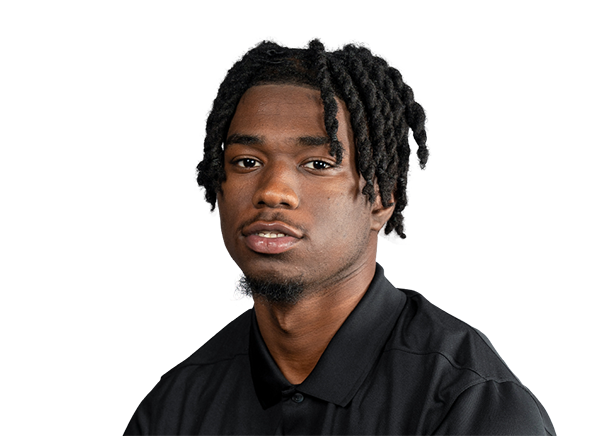
Omarion Miller
WRArizona State
toDolphins
On the money. Ranked 34, taken 34. Fills their fourth need.
After taking Arch Manning with the second overall pick, Miami turns to shoring up his weapons, addressing wide receiver as their fourth-ranked need exactly where the value says it should go. Miller comes off the board at 34 ranked 34th, a clean, defensible selection with no reach involved. With bigger holes at QB solved and EDGE, safety still glaring, using round two on a physical outside receiver signals they're comfortable letting Miller develop while other units get addressed in later rounds.
Miller gives Miami a big, physical target at 6-foot-1, 209 pounds who wins at the catch point, going eleven-of-eighteen on contested targets in 2025 and hauling in eight touchdowns in just eleven games. He's not a burner, his separation comes from tracking and body positioning rather than speed, which means he'll likely work best as a red-zone and vertical option early on rather than an every-down separator. The concerns about disappearing for stretches and struggling against physical man coverage mean Miami will need to manage his usage and pair him with more natural separators while he refines his route detail underneath.
Pick grade B · Wide receiver
35
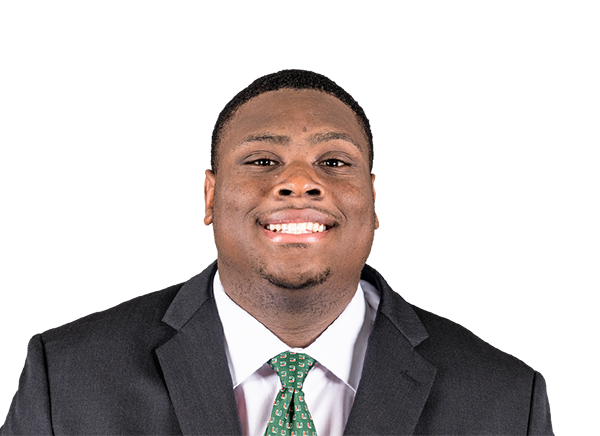
Ahmad Moten Sr
DL3TMiami
toBrowns
Slight value, 32 on the board and gone at 35. Best player available over need.
IDL sits at three on Cleveland's board, and getting a player ranked 32nd overall at pick 35 is simply good value they couldn't pass up, even after already addressing QB and WR with their first two picks. Best player available logic wins out here, and adding a disruptive interior presence gives the defense a foundation piece while the roster build continues elsewhere. It's a defensible slide, not a reach, and fills a real need in the process.
Moten's explosive first step and active hands make him a natural fit as an attacking three-technique in Cleveland's 4-3 front, exactly the even-front role scouts say suits him best. He brings pursuit speed and a powerful club move that can uproot blockers, but his short arms and shaky anchor against double teams mean he'll need to win with quickness rather than physicality early on. With only one full season of standout production behind him, he projects as a developing rotational piece who could grow into a full-time starter if the flashes from his breakout year carry over.
Pick grade B+ · Interior d-line
36
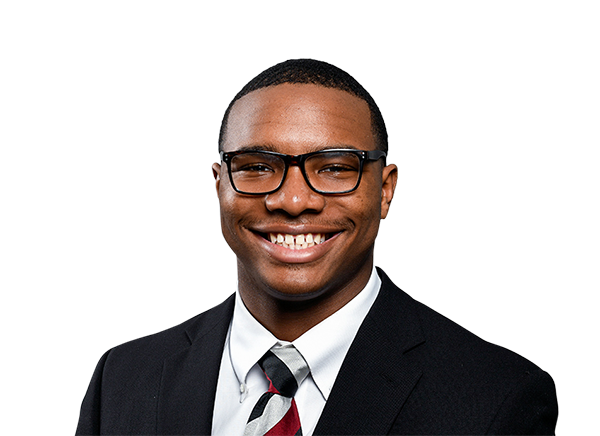
LaNorris Sellers
QBSouth Carolina
toCardinals
Slight value, 31 on the board and gone at 36. Their biggest hole.
Quarterback is Arizona's stated top need, and after already using their first-round pick on Dylan Stewart at edge, they circle back to address the position early in Round 2. Sellers slid five spots past his rank of 31 to fall to the Cardinals at 36, which counts as mild value given his upside, though the tumble reflects real concerns about his 2025 regression. Betting on traits over a shaky sample size is a defensible gamble this late, not a reach.
Sellers brings a 6'3, 242-pound frame with elite contact balance and 22-plus mph tracked speed, the kind of rushing menace who forced 33 missed tackles and racked up 359 yards after contact from Week 9 on in 2024. Arizona gets a developmental dual-threat who can extend plays and punish pursuit angles, but his 3.31-second average time to throw and stuck-on-first-read tendencies mean he needs time and coaching before he can handle NFL-level processing demands. He's a long-term project who won't be pushed into early snaps.
Pick grade B+ · Quarterback
37
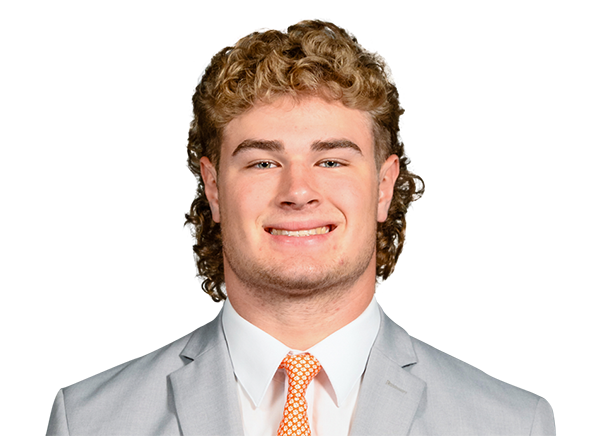
Sammy Brown
LBClemson
toJets
On the money. Ranked 37, taken 37. Fills their fourth need.
After using their first two picks on cornerback and interior defensive line, the Jets circle back to linebacker, their fourth-ranked need, and land Sammy Brown exactly at his rank of 37. This isn't a reach or a slide, it's a clean value pick that fills a real depth concern at a position the roster hadn't addressed yet. Given how much production Brown offers as a downhill thumper, taking him here over a reach at another position is easy to defend.
Brown steps into a 4-3 front as a downhill box linebacker who can hit the ground running against the run, backed by a 70.6 PFF run-defense grade and a low 8.2 percent missed-tackle rate. His instincts as a blitzer and his production, 194 tackles and 25 TFL over two seasons at Clemson, give the Jets an aggressive, physical presence at the second level. The tradeoff is coverage, where his 61.8 PFF grade and tendency to overrun plays before fully diagnosing them suggest he'll need packaging with better coverage linebackers early on, but his tackling technique and leadership give him a real path to a starting role.
Pick grade B · Linebacker
38
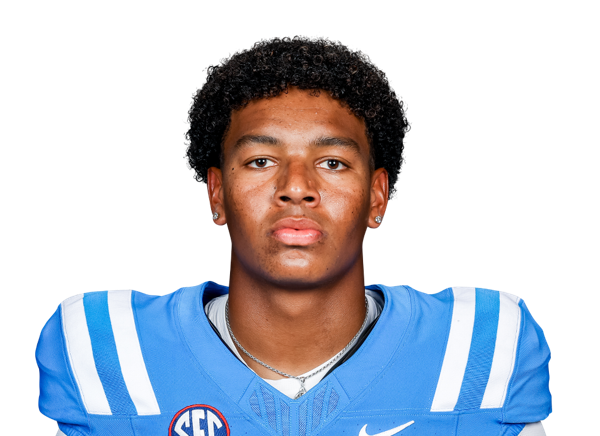
Trinidad Chambliss
QBOle Miss
toFalcons
A reach. Ranked 52, taken 38. Their biggest hole.
Quarterback sits atop Atlanta's needs list, and after grabbing Jeremiah Smith earlier to give a young passer a true number one target, doubling back for a developmental arm at 38 makes sense as a long-term plan. Taking Chambliss 14 spots ahead of his rank #52 is a reach by the numbers, but if the front office believes in his trajectory and wants him insulated from immediate starting pressure, using a second-rounder to secure him before another QB-needy team pounces is defensible.
Chambliss brings exactly what Atlanta's board seems to be missing behind center: a dynamic athlete who extends plays, has real zip on intermediate throws, and flashed on the sport's biggest stage against Georgia. He is not ready to run an NFL offense as-is, since he leans on sideline cards for protection checks, stares down first reads, and gets fooled by disguised coverages, so the plan is likely a redshirt year to develop his post-snap processing while his legs and improvisational instincts stay ready-made for a creative play caller.'
Pick grade B- · Quarterback
39
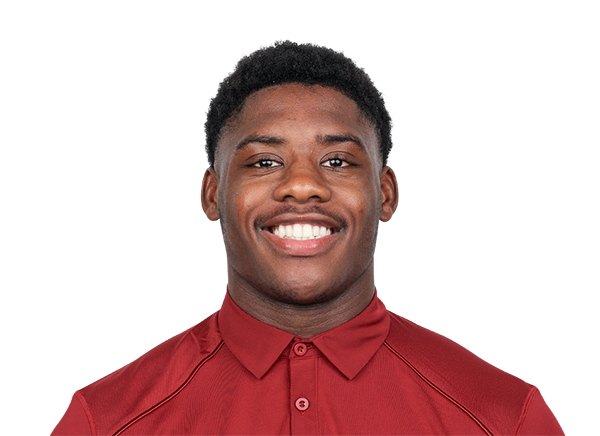
Ahmad Hardy
RBMissouri
toCommanders
On the money. Ranked 39, taken 39. Their third-biggest hole.
Washington already addressed its top need with Cam Coleman at pick 7, so grabbing Hardy at his exact rank of 39 to fill the third-priority running back spot is squarely on value. There's real risk here given the medical situation, but landing a player who was viewed as a potential top-15 talent before his injury, at pick 39, is the kind of calculated bet a team can afford in round two rather than round one.
Hardy's game is built on contact balance and finishing power in a 210-pound frame, exactly the between-the-tackles profile that can complement a passing attack now anchored by weapons like Coleman. His lack of proven third-down receiving work and unresolved pass-protection consistency mean he likely starts as a early-down runner while he develops, and Washington will need patience given the gunshot wound rehab that makes his lower-body explosion the central question of his entire projection.
Pick grade B · Running back
40
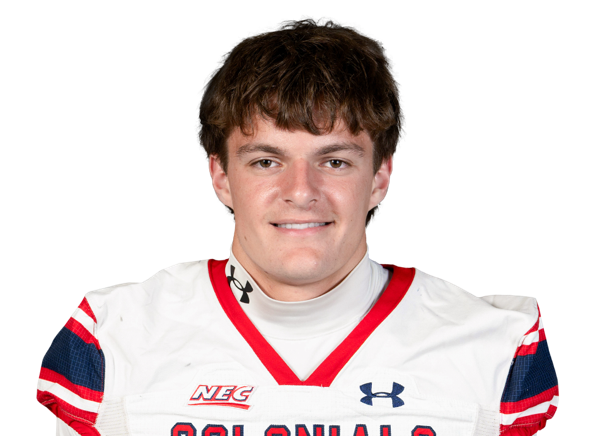
Ashton Hampton
CBClemson
toPanthers
On the money. Ranked 42, taken 40. Their second-biggest hole.
After using their first pick on a quarterback in Julian Sayin, Carolina turns to its second-biggest need and grabs a corner at 40 who was ranked 42, a minimal two-spot reach that's easy to justify. Cornerback was priority two on their board, and with only a couple of corners already off the board, taking a long, press-capable outside corner here is a sensible value-need blend rather than a real reach.
Hampton's 6-2, 200-pound frame and 4.43 speed give Carolina the outside press corner archetype they need to pair length with recovery speed on the boundary. His freshman-year production, 45 tackles, 8 passes defensed and an interception, shows early ball skills, though his technique and finishing at the catch point are still developing after just one season as a starter-caliber player. He projects as a developmental outside corner who can compete for early snaps while refining his footwork and hip-sink in transitions.”
Pick grade B · Cornerback
41
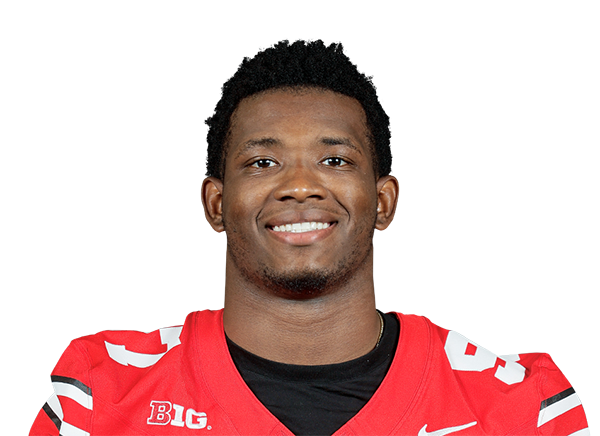
Kenyatta Jackson Jr
EDGEOhio State
toSteelers
On the money. Ranked 40, taken 41. Their third-biggest hole.
Pittsburgh already used its top pick on a quarterback, so by round two the board opens up for need-based value, and edge rusher sits at the third priority on their list. Jackson slipping to 41 despite ranking 40th overall is a slight value grab, not a reach, and getting a pass rusher who was in the mix a pick earlier is a defensible use of draft capital for a team that still needs to add juice off the edge.
With no scouting profile provided, the fit has to be judged mostly on need and scheme, and a 3-4 defense always craves versatile edge rushers who can both set the edge and get after the quarterback on money downs. Pittsburgh's roster still has room at the position behind its current starters, so Jackson projects as a rotational piece early with a chance to develop into a bigger role, giving the front office some insurance without having to reach outside their draft board.
Pick grade B · Edge rusher
42
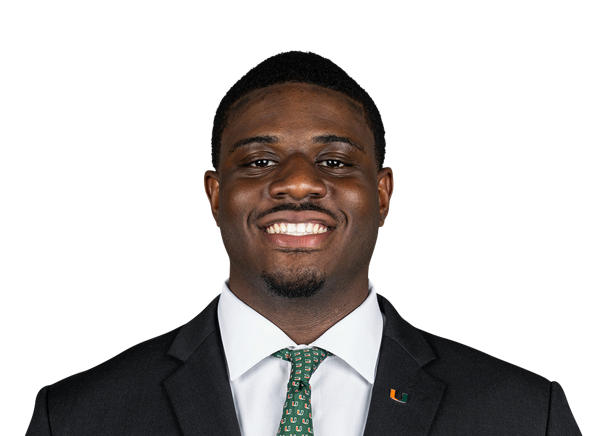

Justin Scott
DL3TMiami
toColts
Slight value, 38 on the board and gone at 42. Best player available over need.
IDL sits second on Indy's needs list, and Scott slipping to pick 42 despite a rank of 38 makes this close to a no-brainer value grab. The Colts aren't reaching for need here since safety went unaddressed, but getting a former five-star with first-round tools four spots after his consensus grade is the kind of value teams building through the draft should take even if it isn't the flashiest need on the board.
Scott's 6-4, 298-pound frame and leverage-based play style fit a 4-3 front that wants an interior disruptor who can hold the point of attack and still redirect on stunts and games. His production, just 26 tackles and one sack as a sophomore, is thin for the grade, and he was buried in Miami's deep DL rotation, but the tools scouts compare to Phidarian Mathis suggest a developmental 3-technique the Colts can bring along behind their current interior pieces while he refines his pass-rush hand usage.
Pick grade B · Interior d-line
43

Kade Pieper
IOLIowa
toRaiders
On the money. Ranked 43, taken 43. Their third-biggest hole.
After grabbing safety KJ Bolden a round earlier, the Raiders pivot to their third-ranked need and land Pieper exactly where he's valued at pick 43. With WR and safety needs already addressed early and CB/IDL still deeper on the board, taking the top interior lineman here is a defensible bit of value that also builds the trenches, a rare instance of need and board value lining up cleanly.
Pieper's testing profile, a 4.13 shuttle and 37.4-inch vertical, along with his top-five grade among FBS guards in both overall and run-blocking marks, points to an ideal fit if Las Vegas wants to lean into zone-blocking concepts up front. He graded out as one of the best wide-zone blockers in this class, but his lack of mass and anchor strength, exposed badly against Oregon's interior rushers, means he'll need a development runway before handling every-down power situations. Given the Raiders' thin interior depth, he projects as a Day 1 starter at guard who may take lumps early against bull rushers while his frame catches up to his footwork and hand technique.
Pick grade B · Interior o-line
44
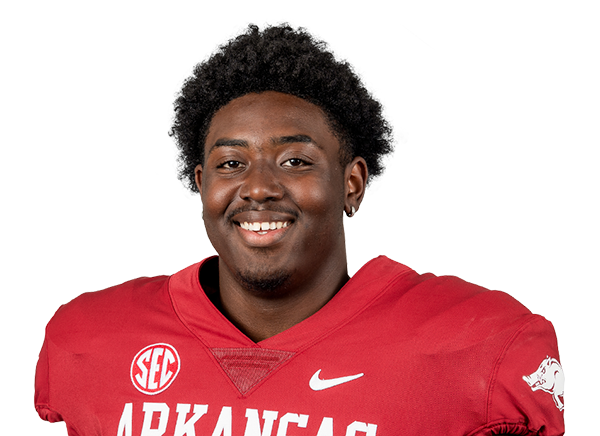
Quincy Rhodes Jr
EDGEArkansas
toSaints
On the money. Ranked 44, taken 44. Their third-biggest hole.
After grabbing Trevor Goosby to address the offensive tackle need at pick 12, the Saints turn to their third-ranked need with a pick that lines up exactly where Rhodes Jr is valued at #44. This isn't a reach, it's a clean value-need match, giving New Orleans a rotational pass rusher with real upside without having to jump the board.
Rhodes Jr's length and power profile suits a 3-4 front, where he can play as a stand-up edge or kick inside as a 4i or 3-technique, matching the versatility his scouting report highlights. He led Arkansas with 15.5 tackles for loss and racked up 35 pressures in 2025, production that should translate into early rotational snaps, even if his average get-off and still-developing pass rush plan mean he projects more as a power-length rusher than a true speed threat off the edge right away.
Pick grade B · Edge rusher
45
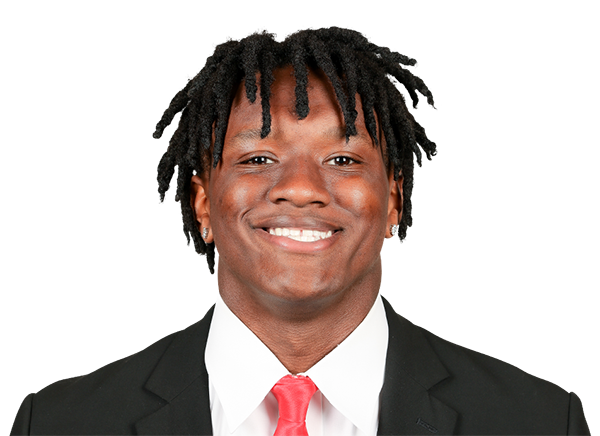
Chris Cole
LBGeorgia
toBuccaneers
Slight value, 41 on the board and gone at 45. Their third-biggest hole.
After grabbing Ellis Robinson IV at cornerback in the first round, Tampa Bay circles back to address linebacker, its third-ranked need, with Chris Cole falling to them at 45 despite a rank of 41. That small slide makes this an easy value pick rather than a reach, and taking a five-star pedigree coverage backer this late in the second round is hard to argue with given how thin off-ball linebacker help typically gets by round three.
Cole slots in as a coverage-first linebacker who can match backs and tight ends in space, carry seams, and line up all over the formation, exactly the kind of chess piece a modern defense wants next to more traditional run-stuffers. At 235 pounds he wins with speed rather than power, and his block-shedding against climbing guards and modest run-stopping marks (23 run stops, 4.5 sacks as a sophomore) suggest he is best deployed in a role that shields him from early-down power situations while he handles third-down and nickel packages.”
Pick grade B · Linebacker
46
Damon Wilson Jr
EDGEMiami
toChargers
On the money. Ranked 45, taken 46. Fills their fourth need.
The Chargers already used an earlier pick on defensive line help, but edge rusher is still their fourth-ranked need, and Wilson falls almost exactly to his ranking at 45. This isn't a reach at all, it's essentially a fair-value grab for a team that has bigger holes at cornerback, IDL and safety but can't afford to let its pass rush depth thin out. Taking a rotational or developmental piece here while still needing to address the secondary is a reasonable trade-off given how the board fell.
With no scouting profile available on Wilson specifically, the pick reads as the Chargers betting on Miami pedigree and traits at a position they flagged as a depth concern rather than an immediate starting need. He slots in as a rotational edge piece in the team's 3-4 scheme, giving the front seven more bodies to rotate rather than plugging a starting void. The lack of detailed scouting data here means his role and ceiling in Los Angeles will largely be determined by how he performs in camp.
Pick grade B · Edge rusher
47
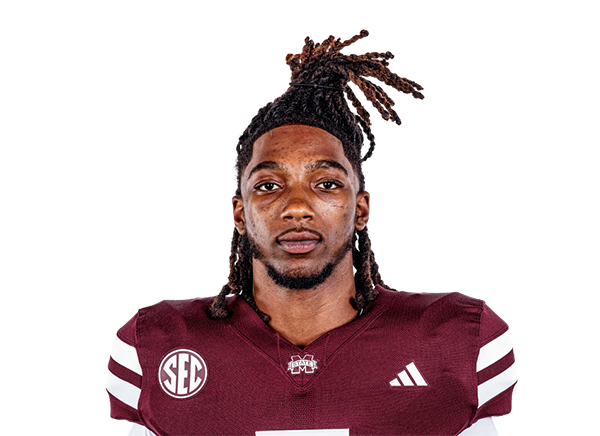
Mario Craver
WRTexas A&M
toGiants
Mild reach, ranked 50 and taken 47. Their third-biggest hole.
With WR sitting at their third-priority need behind IDL and interior line (both addressed or not, still glaring), Craver at 47 is a mild reach relative to his 50 overall rank, but only by three spots, so it's easy to defend. The Giants already spent an earlier pick on defensive line, and grabbing a explosive playmaker here suggests they wanted to secure Craver before another receiver-needy team jumped the board, rather than reaching further down for IOL depth.
Craver gives the Giants something they don't have on the roster: a 4.34-range burner who wins vertically and creates explosive plays after the catch, evidenced by his 917-yard 2025 season and the 207-yard Notre Dame outing that included an 86-yard touchdown. At 5-9, 165 pounds, he's a slot-first weapon who'll need manufactured touches, jet motion, screens, quick game, to stay effective early, and his struggles against press and physical corners plus a thin injury history mean he projects as a situational rotational piece before he can handle a full-time role.
Pick grade B · Wide receiver
48
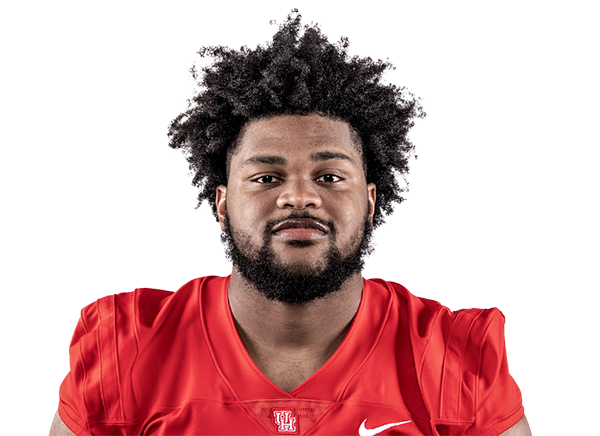

AJ Holmes Jr
DLTexas Tech
toPackers
On the money. Ranked 46, taken 48. Best player available over need.
IDL sits fourth on Green Bay's needs list, and while the Packers have bigger holes at interior line and corner, taking Holmes here at 46 essentially matches his rank of 46, so there's no reach to justify. Best-player-available logic makes sense in a run where the board thinned out fast, and adding a productive, durable interior defender who fits their 4-3 front is a reasonable trade-off against passing on a more pressing position.
Holmes brings exactly what a 4-3 front wants inside: a 6-3, 300-pound anchor who wins with leverage and hand quickness, holds his gap against doubles, and racked up 37 pressures and five sacks in 2025 on top of 23 run stops. He logged 564 snaps without fading, which suggests he can handle an every-down role early. The concerns are his average timed speed limiting pursuit range and a pass rush still built more on power than a sequenced plan, but those are refinable issues rather than disqualifying ones for a rotational-to-starting interior piece.
Pick grade B · Dl
49
Evan Tengeshdahl
IOLCincinnati
toBears
A reach. Ranked 61, taken 49. Fills their fourth need.
Pick grade B- · Interior o-line
50

Koi Perich
SOregon
toVikings
Mild reach, ranked 56 and taken 50. Their third-biggest hole.
Safety sits as Minnesota's third-biggest need, and Perich is the best player available at the position on this board, even if grabbing him at 50 when he's ranked 56 counts as a mild reach. After already addressing quarterback with CJ Carr in round one, the Vikings pivot to shore up their secondary with a true difference-maker rather than waiting and hoping he lasts. Given his ceiling, a six-spot reach is easy to defend.
Perich slots into Minnesota's defense as a chess piece who can line up at deep safety, in the box, or in the slot, which suits a scheme that wants versatile defensive backs. His 4.4 speed, five interceptions as a true freshman, and knack for closing on the ball give the Vikings a ballhawk they've lacked, and his willingness to hit in run support adds physicality. The tradeoff is his coverage technique against detailed route concepts still needs refinement, and he can bite on double moves, so early snaps may come with some rookie mistakes as he settles into a single primary role instead of the multi-position usage Oregon gave him.
Pick grade B- · Safety
51
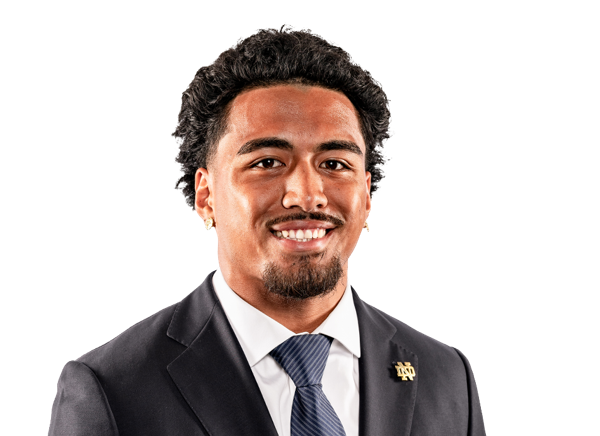
Kyngstonn Viliamu-Asa
LBNotre Dame
toJaguars
Slight value, 47 on the board and gone at 51. Best player available over need.
Jacksonville already used its first pick on a safety, so this is a pure best-player-available move at 51, grabbing a linebacker ranked 47th who slid four spots into their lap. With no clear positional need dictating the pick, taking a talent with legitimate first-round traits at 47 and letting him fall is exactly the kind of value play a team should make in the second round. The medical risk is the only reason he was still on the board this late, and Jacksonville is betting the tape outweighs two ACL tears.
Viliamu-Asa's range and processing fit any scheme, and in Jacksonville's 4-3 he can slot in as a MIKE or WILL who covers ground sideline-to-sideline, an area the description flags as his defining trait. His 15.2 percent run-stop rate and ability to hold a 55.0 passer rating in coverage make him a three-down option once healthy, and his versatility to line up in the slot or on the edge as a blitzer gives the defense a chess piece. The obvious catch is the ACL history and the fact he's never handled a full starter's workload, so Jacksonville will likely bring him along slowly while he proves the medical concerns are behind him.
Pick grade B · Linebacker
52
Trevor Lauch
OTIowa
toCowboys
A reach. Ranked 73, taken 52. Their biggest hole.
Pick grade B · Offensive tackle
53

OJ Frederique Jr
CBMiami
toLions
Mild reach, ranked 59 and taken 53. Their biggest hole.
Cornerback sits atop Detroit's need list, and after already addressing edge rusher with Matayo Uiagalelei one round earlier, the Lions circle back to fill their clear top priority. Taking Frederique six spots ahead of his #59 consensus rank is a mild reach, but with two corners already off the board (Leonard Moore, Ellis Robinson IV), Detroit is likely making sure they don't miss out on a technically polished press-man corner who fits their scheme. It's a defensible reach given how thin the position got by pick 53.
Frederique's game is built on long arms, clean footwork, and physical press technique, exactly the traits a 4-3 defense wants on the boundary, and his experience at both outside and slot corner gives Detroit flexibility in how they deploy him. The concern is production, just one career interception, so he'll need time to turn coverage wins into takeaways before he's trusted as a true difference-maker. Early on, he likely rotates while showing off special teams value as a gunner, with the ceiling of a lockdown corner if the ball skills catch up to the technique.
Pick grade B- · Cornerback
54
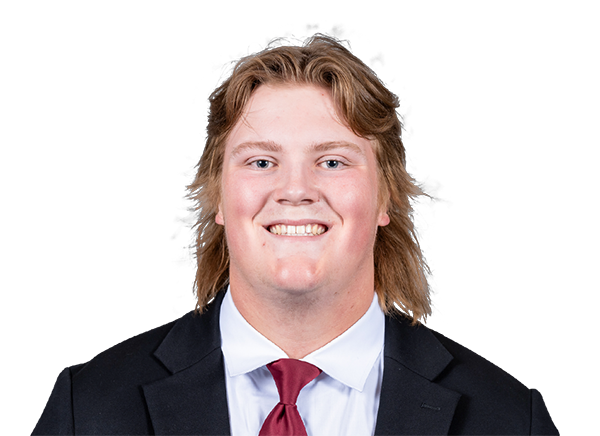
Greg Johnson
IOLMinnesota
toTexans
On the money. Ranked 55, taken 54. Fills their fourth need.
Interior offensive line sits fourth on the Texans' need list, and after already addressing the backfield with Jadan Baugh in round one, Houston circles back to protect whoever is handing him the ball. Taking Johnson at 54 when he's ranked 55 is essentially a non-reach, a marginal one-spot jump that barely qualifies as a stretch given the depth concerns along the interior line. It's a sensible value pick that keeps the roster-building plan coherent.
Johnson's 6'6", 325-pound frame and experience at guard, center, and both tackle spots give Houston a versatile chess piece who can plug in wherever the line is thinnest. His lateral quickness and anchor against power rushers fit a line that needs stability, and his movement skills on angle blocks and screens should mesh well with any zone-heavy elements in the run scheme. The concerns, long legs that get trapped, inconsistent hand pop, and trouble with quick-twitch interior rushers, suggest he's more developmental guard than plug-and-play starter right away.
Pick grade B- · Interior o-line
55
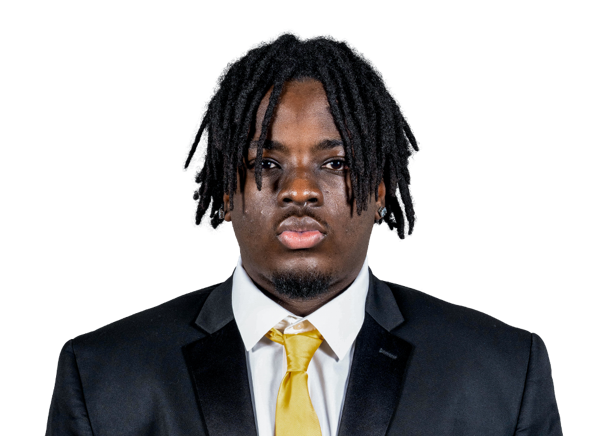
Melvin Siani
OTTexas
toPatriots
On the money. Ranked 53, taken 55. Fills their sixth need.
New England already used an earlier pick on a tight end, so this second-round selection pivots to fortifying the offensive line, a need that sits sixth on their priority list but carries real urgency given how thin tackle depth can get by midseason. Taking Siani at 55, just two spots past his rank of 53, is basically a fair-value pick rather than a reach, and it lets the Patriots address a depth concern without sacrificing the board. It is a defensible, low-risk move that balances need with value.
Siani projects as tackle depth and eventual competition for a starting job rather than a plug-and-play answer, which fits a Patriots line that needs bodies more than it needs an immediate savior. His placement just outside the top 50 suggests solid tools without elite refinement, the kind of prospect who can develop with coaching while providing insurance behind the current starters. New England gets a swing tackle type who can compete in camp and step in if injuries hit, addressing that sixth-ranked need at a fair cost.
Pick grade B- · Offensive tackle
56
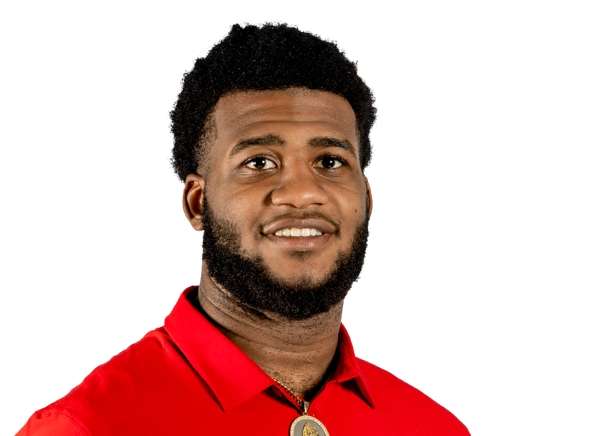
Jacarrius Peak
OTSouth Carolina
toBroncos
On the money. Ranked 54, taken 56. Fills their fourth need.
Denver already invested a pick in Trey'Dez Green at tight end, but tackle sat at four on their board and this is a slide, not a reach, with Peak going two spots past his rank of 54. With linebacker, tight end and running back ahead of tackle in team priority, taking Peak here suggests Denver saw better value at the trench spot than at those other needs at this point in round two, a defensible pivot given how thin tackle depth was getting.
Peak brings legitimate experience, 33-plus starts and only seven sacks allowed on more than 1,200 pass-block snaps, which is exactly the kind of proven pass protection Denver can plug in early. His athletic tools, an uncoiling lower body and the length to seal edges and climb to the second level, fit well in a zone-based scheme, though his 67.6 run-block grade and inconsistent footwork mean he will need coaching to become more than a recovery-athleticism player at the point of attack.
Pick grade B- · Offensive tackle
57
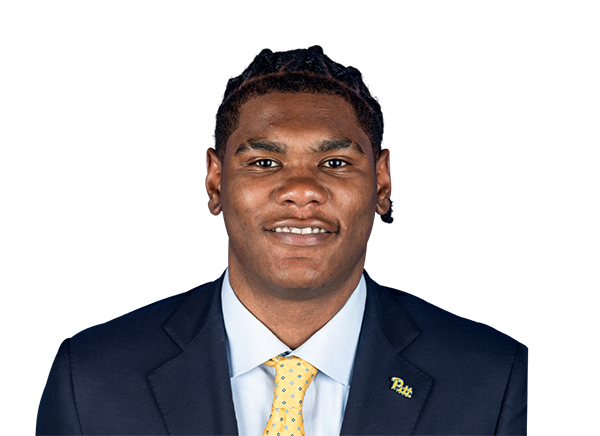
Rasheem Biles
LBTexas
toBengals
On the money. Ranked 58, taken 57. Their biggest hole.
Linebacker sits atop Cincinnati's need list, and Biles was the top off-ball defender still on the board, so this is need meeting value almost perfectly. Taking him one spot ahead of his overall rank of 58 is a marginal reach, but with a class this thin at the position, grabbing the ACC's tackles-for-loss leader before another team pounces is easily defensible. It also follows a pick 25 that addressed the offensive line, showing the Bengals are working down their priority board methodically rather than chasing shiny names.
Biles brings exactly the downhill trigger-and-hit instincts Cincinnati's linebacker room has lacked, racking up 101 tackles and an ACC-best 17 tackles for loss in 2025 while adding two pick-sixes and forced fumbles. At 6-1, 220 with a first-percentile weight profile, he's not built to sit between the tackles full time in a 4-3, so the Bengals will likely deploy him as a WILL who can fly sideline to sideline, blitz off the edge, and handle sub-package coverage snaps rather than ask him to anchor against SEC-sized guards every down.
Pick grade B- · Linebacker
58
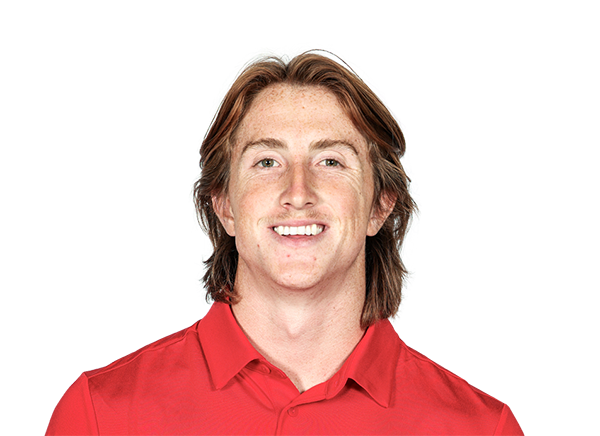
Jackson Bennee
SUtah
toEagles
On the money. Ranked 60, taken 58. Their biggest hole.
Safety sits atop Philadelphia's need list, and Bennee gives them a ballhawk with legitimate takeaway juice at the position. Taking him two spots ahead of his consensus rank (#60) is a minor reach, but it's easily defensible when the alternative was letting a top-tier coverage safety slide with your biggest hole still unaddressed. This is a team leaning into upside at a premium need rather than settling for a safer, less dynamic option.
Bennee's slot and deep-safety versatility fits nicely into a modern nickel-heavy scheme, and his coverage tape, allowing just one deep completion in 2025 with four interceptions and a pick-six, addresses a ball-production void. The concern is his tackling, where a 23.3% missed-tackle rate and a lean 190-192 pound frame raise questions about his readiness against NFL-caliber run support. Philadelphia is likely betting he develops into a coverage-first starter while adding strength, using his range and instincts early even if he's eased into full run-defense responsibilities.
Pick grade B- · Safety
59

Will Heldt
EDGEClemson
toRavens
On the money. Ranked 61, taken 59. Fills their fourth need.
Edge sits fourth on Baltimore's board, and after using their first pick on receiver Nick Marsh, this addresses a real depth concern in the front seven. Taking Heldt two spots ahead of his consensus rank is a minor reach, but in a 3-4 scheme that values long, hand-on-ground defensive ends, the fit outweighs the slight value loss. It's a defensible pick that trades a couple spots of draft capital for a player who profiles well in their specific system.
At 6'6" and 260 pounds with room to add mass, Heldt fits the mold of a 3-4 defensive end rather than a stand-up rusher, which matters since he reportedly struggled in that exact role at Purdue. His 26.5 career tackles for loss and relentless motor in run defense make him an immediate asset against the run, while his pass rush, limited by a high-cut frame, passive hands, and no go-to move, projects him as a low-volume situational rusher early on. Baltimore can bring him along as a developmental piece who sets the edge while his rush arsenal matures.
Pick grade B- · Edge rusher
60
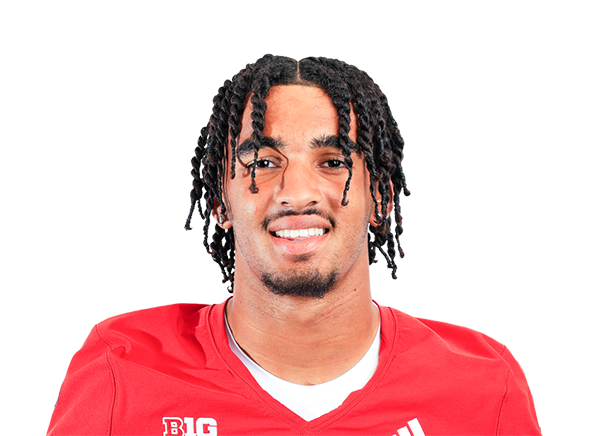
KJ Duff
WRRutgers
toSeahawks
Slight value, 57 on the board and gone at 60. Fills their fifth need.
WR sits fifth on Seattle's priority list, and after already using an earlier pick on cornerback need, this is a reasonable value grab rather than a reach. Duff went at 60 despite ranking 57th, so the Seahawks are getting a small discount on a productive big-bodied target while their more pressing trench and defensive needs presumably get addressed elsewhere in the draft. It's a depth-of-need pick more than a headline addition, but taking a proven contested-catch weapon this late is defensible.
At 6-foot-6 and 225 pounds with 60 catches for 1,084 yards and a nation-leading 22 contested catches in 2025, Duff gives Seattle a red-zone and third-down option who wins with size and hands rather than speed. His box-out technique and ability to catch away from his frame make him a trustworthy target in tight windows, but his below-average long speed and minimal run-after-catch mean he projects best as a big-slot or boundary possession piece rather than a true separator, fitting as complementary depth behind the receiver room's faster options.
Pick grade B- · Wide receiver
61
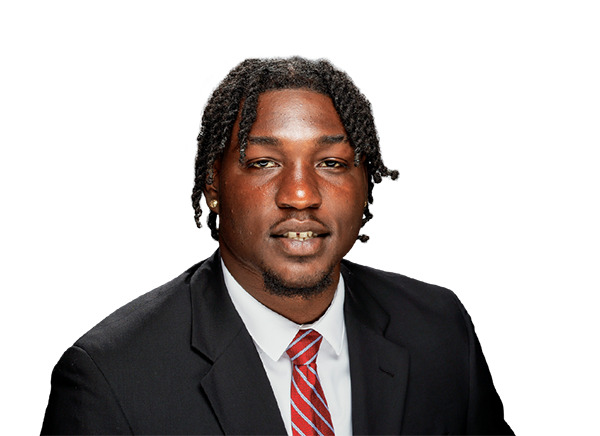
Yhonzae Pierre
EDGEAlabama
toChiefs
On the money. Ranked 62, taken 61. Fills their fourth need.
Edge sits fourth on Kansas City's need list, and after already using their first pick on offensive tackle, they turn to bolstering the pass rush with essentially the consensus talent grade, just a single spot ahead of Pierre's ranking. This isn't a reach in any meaningful sense, it's basically taking the player as valued, and it fills a legitimate depth concern up front for a defense that needs more juice off the edge.
Pierre brings a violent speed-to-power bull rush that overwhelmed LSU's tackles and a knack for forcing turnovers, with three forced fumbles including a game-ending strip-sack. In a 4-3 scheme he can line up at 5-technique or wide-9 to leverage that get-off and vertical burst, though his high-hipped frame and lack of bend mean he'll need to add counters before he's a true every-down threat. For now he projects as a developmental rotational rusher who can spell starters and grow into a bigger role as he diversifies his pass-rush plan.
Pick grade B- · Edge rusher
62
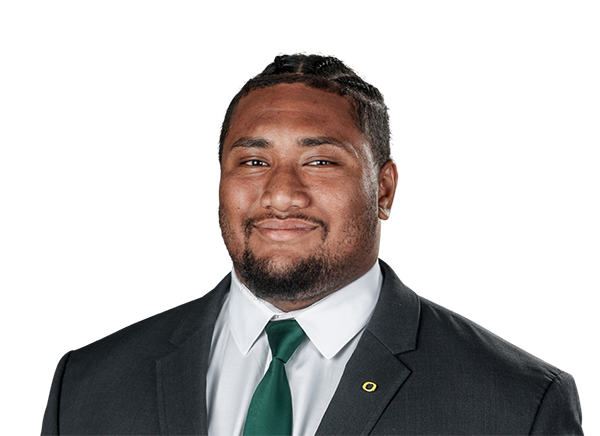
Iapani Laloulu
IOLOregon
to49ers
Mild reach, ranked 68 and taken 62. Their biggest hole.
Interior offensive line sits atop San Francisco's needs, and Laloulu fills the void at center directly. Taking him at 62 when he's ranked 68 is a mild reach, but not an indefensible one for a team prioritizing its top need with a plug-and-play starter rather than gambling on upside elsewhere. With the running back need already addressed via Kewan Lacy in Round 1, this pick builds the infrastructure to make that investment pay off.
Laloulu's game is built on leverage, hand placement and elite pre-snap processing, allowing zero sacks and just ten pressures across nearly 500 pass-blocking snaps as a sophomore, exactly the kind of anchor a zone and gap-heavy rushing attack wants at the pivot. His plodding footwork and below-average arm length raise real questions against quicker three-techniques in true one-on-one pass sets, but his ability to diagnose stunts and blitzes and make protection calls makes him a natural fit to stabilize the middle of the line immediately.
Pick grade B- · Interior o-line
63
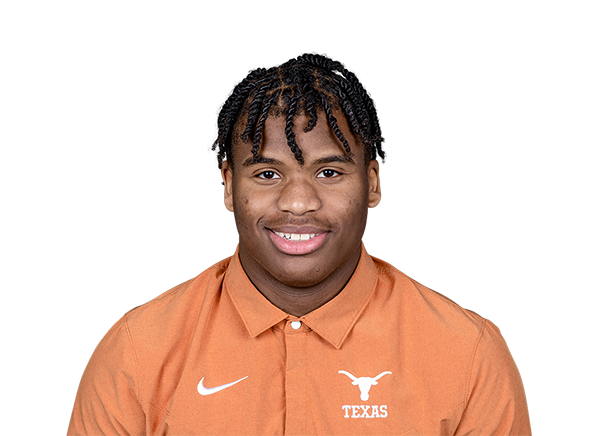
Ryan Wingo
WRTexas
toBills
On the money. Ranked 64, taken 63. Fills their fifth need.
Buffalo already used its first-round pick on the offensive line, so grabbing Wingo here isn't ignoring the trench needs, it's addressing the fifth item on the list while the value is basically dead-on. Taken one spot ahead of his rank, this is about as clean a non-reach as you'll find in a mock draft, and with the Bills needing a true vertical threat to complement their receiving corps, this checks a real box without costing much draft capital.
Wingo's calling card is exactly what Buffalo's offense craves: a 6-foot-2, 214-pound field-stretcher with track speed who takes the top off coverage and drew top corners most weeks at Texas. His 8.6 yards after contact per catch and strong frame let him win physical battles downfield, which pairs well with a quarterback who can push the ball vertically. The concern is the catch point, just a 33.3 percent contested-catch rate and 11 drops over two seasons, so early on he'll likely work as a big-play Z who needs to clean up the technical details before he's trusted in traffic.
Pick grade B- · Wide receiver
64
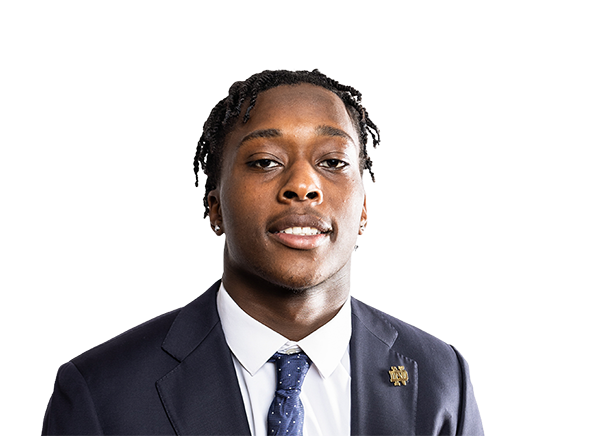

Boubacar Traore
EDGENotre Dame
toRams
On the money. Ranked 66, taken 64. Their biggest hole.
Edge rusher sits atop the Rams' need list, and Traore is a slight reach at 64 relative to his 66 ranking, but that gap is negligible for a player scouts see as having Day 1 upside. With so few premium pass rushers left on the board this late in the second, betting on his ceiling rather than settling for a safer, lower-upside option at need is a defensible swing for a team that has to manufacture pressure schematically in its 3-4 front.
Traore's explosive first step, 80-inch arms, and bend give the Rams a stunt-and-game weapon who can align at 4i, 5-tech, or wide-9, which suits a multiple 3-4 scheme looking for versatility off the edge. He's not ready to be an every-down player, coming off a torn ACL with fewer than 200 snaps of experience and a rush plan that leans too heavily on speed, so he projects as a developmental rotational piece who needs to add mass and build out his hand usage before he can anchor against the run.
Pick grade B- · Edge rusher
36 picksRound three
65
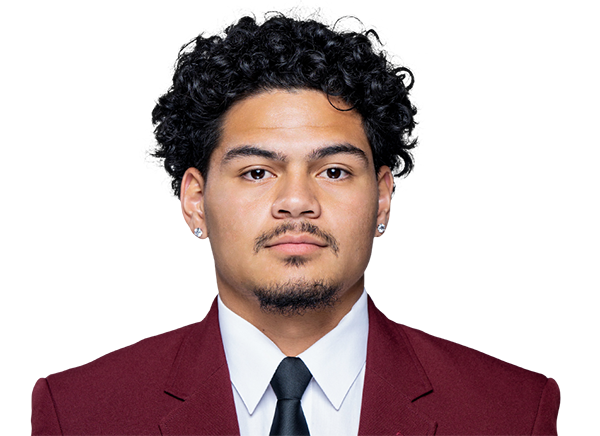
Jayden Maiava
QBUSC
toTitans
Value. Ranked 48 on the board, off at 65. Depth more than need.
QB sits dead last on Tennessee's own needs list, well behind the tackle, running back, and interior line holes still gaping on this roster, but Maiava falling to pick 65 when he graded as the 48th-best player in the class is too much value to pass on. With Simmons already added at edge and receiver addressed at pick 33, the Titans can afford to gamble on a developmental quarterback who improves every year rather than force another need pick this early in Round 3. Getting a QB with second-round traits in the third is defensible even if it doesn't fill an immediate hole.
Maiava's game is built on a lightning-quick release, an 8.2% pressure-to-sack rate, and a turnover-worthy play rate that dropped every season at USC, traits that suggest he could develop into a quick-game operator if Tennessee's staff builds an offense around timing throws. His fringe-average arm strength beyond 40 yards and unrefined under-center footwork explain why he sits outside Round 1 conversation, and he'll need real development transitioning from a shotgun-heavy USC scheme. For now he projects as a developmental add behind the current starter, with long-term upside as a poised, efficient distributor rather than a big-armed downfield thrower.
Pick grade B · Quarterback
66
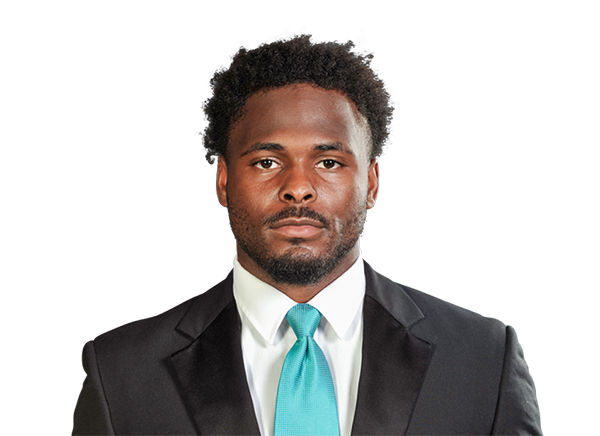
Clev Lubin
EDGELouisville
toDolphins
A reach. Ranked 80, taken 66. Their second-biggest hole.
Edge rusher sits at the top of Miami's board after quarterback, and after taking Arch Manning early, the Dolphins pivot to fortifying the defense with a productive pass rusher. Grabbing Lubin at 66 is a reach relative to his #80 ranking, 14 spots early, but given that pass rush production translated across two levels of competition, the front office may see him as a safer bet than his overall grade suggests. It's a defensible reach if Miami views his floor as a rotational disruptor rather than a boom-or-bust developmental prospect.
Lubin's game is built on hands, not traits, which matters for a Dolphins defense that needs snap-in, snap-out pressure off the edge. His 50 pressures in 2025 and 21.3% pressure rate show real translation from Coastal Carolina to the ACC, and his varied pass-rush plan, chops, club-swims, long-arms, rips, gives him tools to win against tackles even without elite bend. At 6-foot-3, 250 with short arms, he'll likely start as a rotational rusher who can also chase down plays thanks to his motor, rather than an every-down run defender, since he lacks the mass to consistently stack and shed.
Pick grade C+ · Edge rusher
67
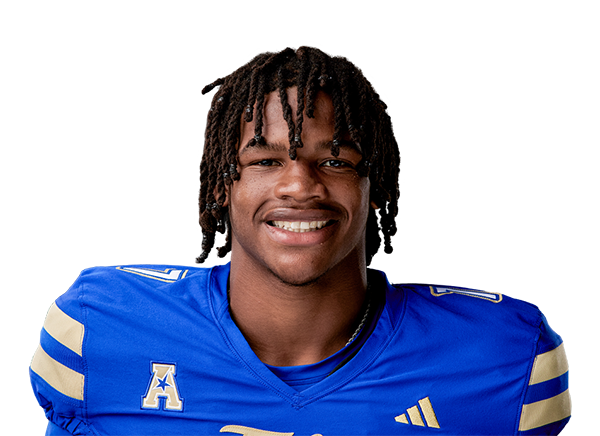
Elijah Green
CBTulsa
toBrowns
On the money. Ranked 69, taken 67. Fills their fourth need.
Cleveland already spent early capital on quarterback, wide receiver, and interior defensive line, so cornerback depth becomes the priority by round three. Elijah Green comes off the board just two spots ahead of his ranking, which is a minor reach but not one that should raise many eyebrows given how thin the cornerback pool has gotten by this stage. Addressing a
key depth concern
Pick grade B- · Cornerback
68
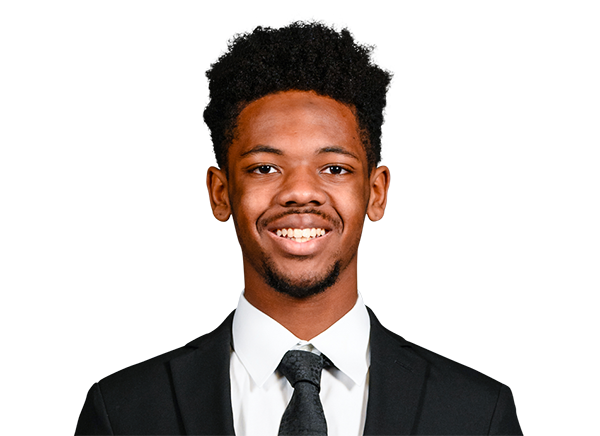
Bryant Wesco Jr
WRClemson
toCardinals
Slight value, 65 on the board and gone at 68. Fills their fifth need.
Arizona already used premium picks on Dylan Stewart and LaNorris Sellers, so by round three they can afford to lean into value rather than pure need, and wide receiver sits fifth on their board anyway. Wesco sliding three spots to 68 makes this a defensible grab, giving the Cardinals a vertical threat to pair with their existing weapons at a modest cost, even though safety, tackle and interior line remain thinner.
Wesco's 17.3 yards per catch as a freshman and his ability to uncover quickly off clean releases make him a natural fit for stretching the field opposite Arizona's primary target, and his track speed gives the offense another layer to attack vertically. The concerns are real, though: a 185-pound frame that gets rerouted by physical corners, a thin contested-catch resume, and a 2025 season cut short by a spinal contusion. He projects as a rotational deep threat early who needs to add mass and prove the medicals hold before taking on a full route tree.
Pick grade B- · Wide receiver
69

Wyatt Young
WROklahoma State
toJets
On the money. Ranked 71, taken 69. Depth more than need.
WR sits at the bottom of the Jets' need list, and they've already used earlier picks addressing QB (Drew Mestemaker), CB (Leonard Moore), DL (David Stone) and LB (Sammy Brown), so this is closer to a value-add than a need-fill. Taking Young two spots ahead of his #71 ranking is a mild reach, but with most of the roster's pressing holes already patched, grabbing a productive slot weapon for whoever ends up at quarterback is a defensible small reach rather than a reckless one.
Young projects as an inside slot piece who can give the Jets' passing game an immediate yards-after-catch threat, having racked up 768 YAC in 2025 on his way to 70 catches, 1,264 yards and 10 touchdowns at North Texas. His sudden release and zone-reading instincts should translate quickly to underneath work, but at 195 pounds with almost no experience lined up outside and a thin contested-catch resume, he's likely a rotational slot piece early rather than a Day 1 every-down starter until he proves he can handle physical coverage at the NFL level.
Pick grade B- · Wide receiver
70
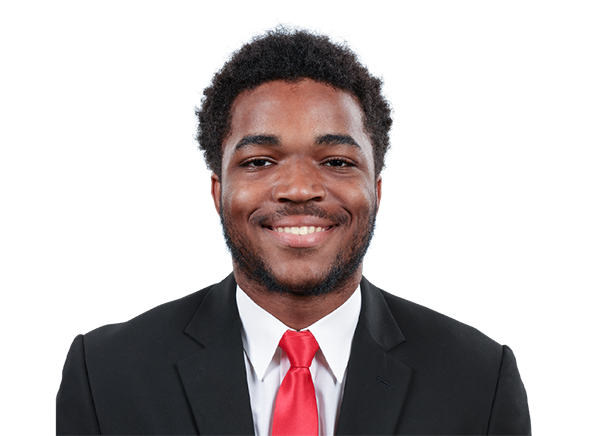
Chris Peal
CBSyracuse
toFalcons
On the money. Ranked 70, taken 70. Their third-biggest hole.
Cornerback sits at the number three need for Atlanta, and Peal comes off the board at exactly his rank of 70, so there's no reach here to defend. After using earlier capital on Jeremiah Smith and a quarterback swing at pick 38, the Falcons pivot back to fortifying the secondary with a Day 2 corner who profiles as a three-down starter rather than a project. Best-player-available and team need line up cleanly on this one.
Peal is built for a zone-heavy scheme, reading quarterbacks and driving on throws with the kind of timed speed that lets him carry vertical routes without getting beat deep. At 6'1
Pick grade B- · Cornerback
71
Brice Pollock
CBTexas Tech
toCommanders
On the money. Ranked 72, taken 71. Fills their sixth need.
Cornerback sits sixth on Washington's board, but after already addressing WR and RB in the first two rounds, adding a corner with five interceptions and zero touchdowns allowed is a reasonable pivot to defense. Taking Pollock one spot ahead of his rank is a negligible reach, essentially a value pick treated as need, and defensible given the depth concern at CB behind their current group.
Pollock projects best in a zone-heavy scheme where his eyes and instincts create takeaways, which could mean some adjustment in a 4-3 defense that may ask for more man coverage. His 797 snaps as a full-time boundary corner, four missed tackles all season, and willingness to support the run make him a plug-in piece for depth, even if his grabby hands and shakier man technique cap him as more of a rotational zone specialist early on rather than an immediate lockdown starter.
Pick grade B- · Cornerback
72
Jelani McDonald
STexas
toPanthers
On the money. Ranked 74, taken 72. Fills their fifth need.
Carolina has already used earlier picks on a quarterback and a cornerback, so grabbing safety at 72 addresses the fifth-ranked need on their board while the position still has some talent available. Taking McDonald two spots ahead of his #74 ranking is a minor reach, but it's a defensible one given safety depth concerns and the fact that he was one of the better tacklers in this class. This isn't a splash pick, it's roster-building at a spot they clearly flagged as thin.
McDonald is a downhill, box-oriented safety who fits a 3-4 scheme that needs a physical presence near the line, and his tape backs that up: only five missed tackles on heavy volume and 18 run stops in his first full season as a starter. Carolina gets a versatile piece who lined up in the box, slot and deep third at Texas, though his man coverage and mirroring skills are still behind his run-support instincts, meaning he likely starts in a strong safety role rather than as a true single-high free safety early on.
Pick grade B- · Safety
73

Jamari Sharpe
CBIndiana
toSteelers
On the money. Ranked 73, taken 73. Fills their fourth need.
With cornerback sitting fourth on Pittsburgh's needs list, taking Sharpe at exactly his ranked value at #73 is about as clean a value pick as this draft offers. The Steelers already used a first-round and third-round pick on QB and EDGE, so grabbing a starting-caliber zone corner without reaching or passing on need is the kind of disciplined roster building that plugs a real depth hole without costing draft capital.
Sharpe's best trait, his eyes and instincts in zone coverage, fits a defense that can scheme him into off-coverage looks where his track speed lets him recover on vertical routes. He started all 15 games on Indiana's title defense, forced four fumbles, and tackles reliably, giving Pittsburgh a rangy outside piece who can handle every-down snaps. The tradeoffs are real: his man coverage against quick releases lags, his 187-pound frame invites trouble at the catch point against bigger receivers, and his ball production outside the strips is thin with just one interception, so he projects more as a developing zone specialist than a finished product.
Pick grade B- · Cornerback
74
Jordan Ross
EDGELSU
toColts
On the money. Ranked 76, taken 74. Their third-biggest hole.
Edge is the Colts' third priority behind safety and interior defensive line, and after already addressing the trenches with Justin Scott in round two, grabbing Jordan Ross at 74 gives them a developmental pass rusher with first-round traits at a modest discount. The two-spot reach off his #76 ranking is negligible, and given how thin the roster context is here, betting on upside at a real need is a defensible use of a third-round pick rather than a stretch.},
placeholder
Pick grade C+ · Edge rusher
75
Drake Lindsey
QBMinnesota
toRaiders
Value. Ranked 67 on the board, off at 75. Depth more than need.
QB sits seventh on the Raiders' need list, but with WR, S, IOL and CB already addressed in this draft with KJ Bolden and Kade Pieper coming off the board, Las Vegas can afford to take a swing on a developmental passer here. Lindsey fell to pick 75 after ranking 67th, an eight-spot slide that gives the Raiders a discount on a quarterback with real starting experience and a strong touchdown-to-interception ratio as a redshirt freshman. It is a value pick more than a need pick, but stashing a young arm behind the current QB room is a defensible use of a mid-third-round selection.
Lindsey's game is built on timing and anticipation rather than arm talent, which means he will need a scheme that keeps him on schedule with quick, decisive reads, something the Raiders can install with more patience given they used earlier picks to address defense. His 6-5, 230-pound frame and 18-touchdown, six-interception season at Minnesota show real pocket poise, but his below-average deep ball, shaky footwork under pressure, and rough outings against Ohio State, Iowa and Oregon (one touchdown, three interceptions combined) explain why he's a project. He projects as a redshirt developmental piece who could compete for QB2 duties down the line rather than an immediate starter.
Pick grade B- · Quarterback
76
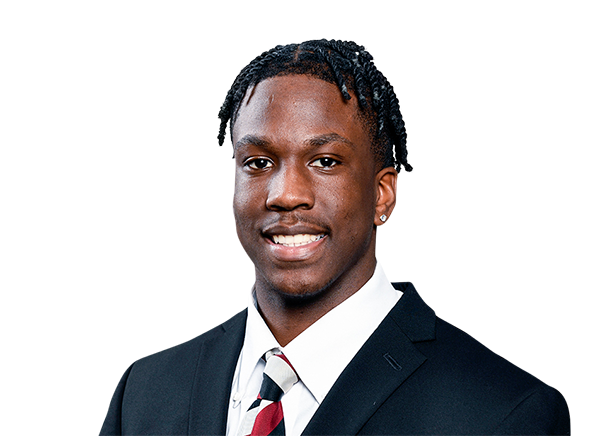
Vicari Swain
CBSouth Carolina
toBills
Mild reach, ranked 79 and taken 76. Their third-biggest hole.
Cornerback sits as Buffalo's third-ranked need, and after using earlier picks on offensive tackle and wide receiver, this is where they turn to shoring up the secondary. Taking Swain at #76 against a #79 ranking is a mild reach, just three spots, which is easily defensible when a team is picking to need rather than letting the board dictate every selection. It's a low-cost bet on a position group that still needs depth and competition.
With no scouting report available on Swain, this pick has to be viewed as a value-need speculative add rather than a slam dunk fit breakdown. What is clear is that Buffalo's defense, which operates out of a 4-3 look, needed another body at cornerback after not addressing the position in the first two rounds, and Swain gives them a South Carolina product to develop and compete for depth reps rather than an immediate plug-and-play starter.
Pick grade C+ · Cornerback · via From NO | tradeId: BUF_NO_76
77
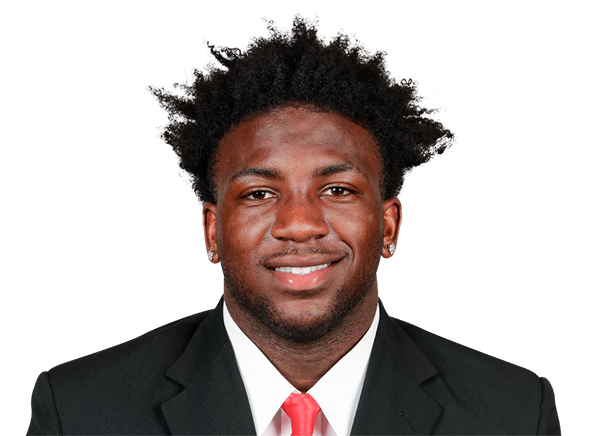
Nate Frazier
RBGeorgia
toBuccaneers
On the money. Ranked 77, taken 77. Depth more than need.
Running back sits at the bottom of Tampa Bay's needs list, but Frazier landing exactly at his rank of 77 makes this pure value rather than a reach. After spending earlier picks on cornerback and linebacker, the Bucs use pick 77 to add a genuine difference-maker at a lower-priority spot rather than force a name at IOL or OT that wasn't worth the slot. It's a bet that talent this good doesn't fall much further, even if the depth chart wasn't screaming for it.
Frazier brings track speed, a 10.58 in the 100 meters, and natural receiving hands from his high school days as a wideout, giving Tampa Bay a home-run threat who can line up in the backfield or out wide in an offense that can scheme him touches. His between-the-tackles power and improving contact balance suggest he can handle real carries, not just a change-of-pace role, but the five fumbles over two seasons and below-average pass protection are real red flags that will likely keep him off early-down duty until he cleans those issues up.
Pick grade C+ · Running back
78
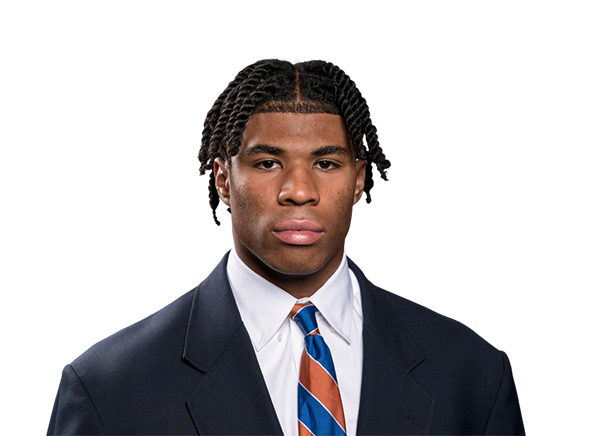
Ty Benefield
SLSU
toChargers
Mild reach, ranked 82 and taken 78. Their third-biggest hole.
Safety sits third on the Chargers' need list, and after already using their earlier third-round pick on defensive line, they're continuing to build the back end of a defense that clearly needs help. Taking Benefield four spots ahead of his #82 ranking is a mild reach, but it's a defensible one given how thin safety was on the board at this point and how much positional versatility he offers. This is a team stacking bodies on defense rather than chasing a marquee name.
Benefield's 600-plus snaps split across slot, box, and deep safety make him an easy chess piece for a defense looking for multi-role defensive backs, and his 355 man-coverage snaps in 2025 suggest he can handle a scheme that leans on man principles. He's a reliable open-field tackler with good size at 6-2, 205, and he processes route concepts quickly, but he's not a violent hitter and his tape came almost entirely against Group of Five competition, so the Chargers are betting his instincts and range translate against SEC-level, and now NFL-level, speed and physicality.
Pick grade C+ · Safety
79
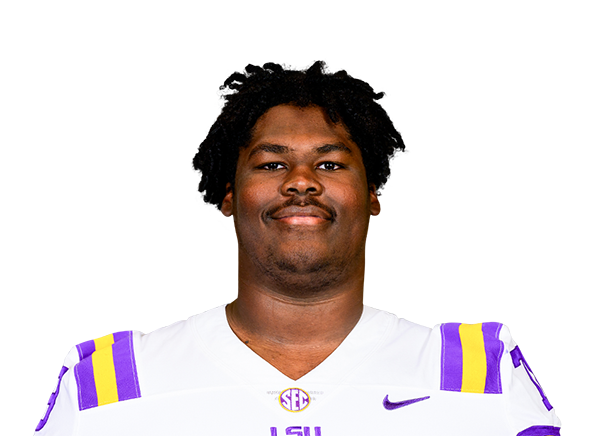
Coen Echols
IOLTexas A&M
toGiants
Mild reach, ranked 86 and taken 79. Their second-biggest hole.
Interior offensive line sits as the Giants' second-biggest need on the board, and after using their first two picks on a defensive lineman and a wide receiver, they finally circle back to address the trenches. Taking Coen Echols at 79 when he's ranked 86 is a modest reach, seven spots early, but for a team that still hasn't fully addressed IOL depth, grabbing a body at the position before the board thins out is a defensible trade-off even without a screaming value attached.
There's no scouting profile available on Echols yet, which makes this more of a needs-based bet than a scheme-fit slam dunk. The Giants are simply adding a name to a position group that ranked as their second priority, presumably projecting him as interior depth or a developmental piece who can compete for reps along the line. Without measurables or production notes to lean on, the value here is really about roster building logic rather than a specific trait or skill set he brings to the table.
Pick grade C+ · Interior o-line
80
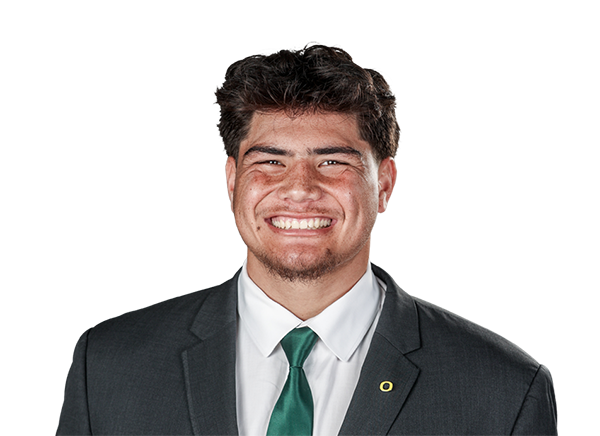
Teitum Tuioti
EDGEOregon
toPackers
On the money. Ranked 78, taken 80. Depth more than need.
Edge sits seventh on Green Bay's need list, well behind interior line, corner and running back, but Tuioti falling to pick 80 after grading out at 78 is too small a slide to call a true value grab. It's a defensible pick anyway since he addresses a real depth concern behind whatever the Packers already have rostered, and getting a Day 2 disruptor with first-round upside this late in the third round is the kind of value that outweighs need-list order.
At 6'3", 263 pounds, Tuioti fits as a rotational pass rusher who can add juice off the edge while he refines his game. His 47 defensive stops in 2024 led all Power Four edges and his 2025 jump to 13.5 TFL and 7 sacks shows real progression, and his scheme versatility as a stand-up rusher who's played multiple front-seven spots should translate into Green Bay's 4-3. The concern is his lack of a defined pass-rush move and average bend, meaning he'll need coaching to turn his motor and closing burst into more consistent pressure production rather than just chase-down plays.
Pick grade C+ · Edge rusher
81
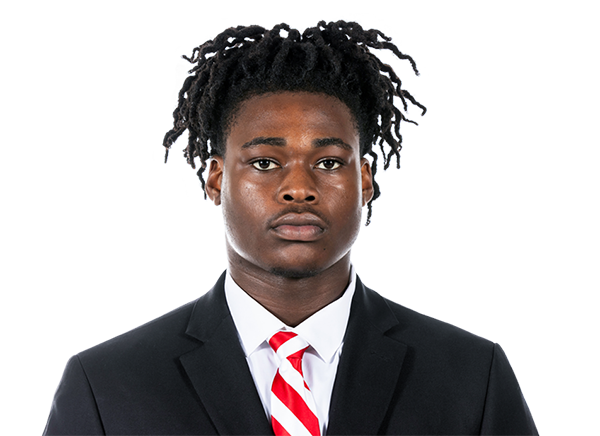
Princewill Umanmielen
EDGELSU
toBears
On the money. Ranked 83, taken 81. Their third-biggest hole.
Chicago already used a top-need pick at IDL and cornerback earlier, and here they circle back to edge rusher, their third priority, rather than reaching further for interior line help. Taking Umanmielen two spots ahead of his ranking is a minor reach, but a defensible one given how thin the pass rush market gets after this range and how quickly his production spiked in 2025. This is a bet on trajectory over polish, banking on a 4-3 front to keep developing his tools.
At 6'5", 245 pounds with real bend, burst, and active hands, Umanmielen fits as a developmental edge who can rotate in early and chase quarterbacks off the backside while the staff works on filling out his frame. His 40 pressures and 9 sacks in 2025 show the ceiling, but the lean build and underdeveloped pass-rush plan mean he is not an immediate every-down starter. In a 4-3 scheme that can scheme him favorable rush lanes early, he offers upside as a rotational piece who could grow into a full-time role as his strength and technique catch up to his athletic tools.
Pick grade C+ · Edge rusher
82
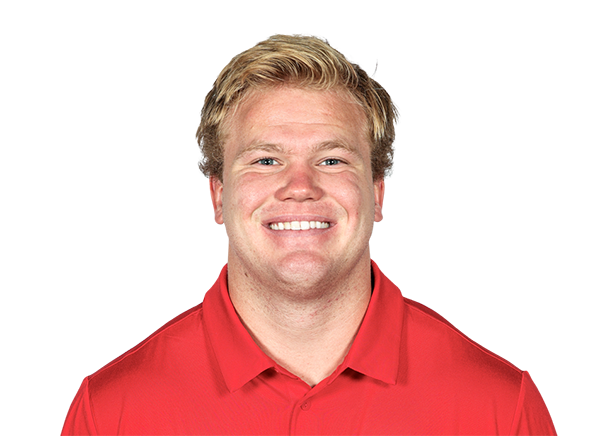
John Henry Daley
EDGEMichigan
toVikings
Mild reach, ranked 88 and taken 82. Their second-biggest hole.
With edge rusher sitting as the Vikings' second-biggest need behind quarterback (which they already addressed at pick 18 with CJ Carr), grabbing Daley here makes sense even at a slight reach, six spots ahead of his rank of 88. The production profile, leading the FBS in TFL and ranking second nationally in sacks before the injury, is too tempting to pass on for a team still needing an edge presence in their 3-4 scheme. It's a calculated bet on talent over medical certainty, and at this point in round three, defensible.
Daley's game, built on strength, hand usage, and motor rather than elite bend, fits well as a base end in a 3-4 front where setting the edge against the run matters as much as rushing the passer. His 19.6 percent pressure rate and first-in-FBS pass-rush production among defensive ends show real disruptive ability, and his physicality against the run should translate quickly. The Achilles rupture and only 11 starts of tape are the obvious drag on his ranking, so Minnesota is likely looking at a redshirt year before he's counted on as a full-time starter.
Pick grade C+ · Edge rusher
83
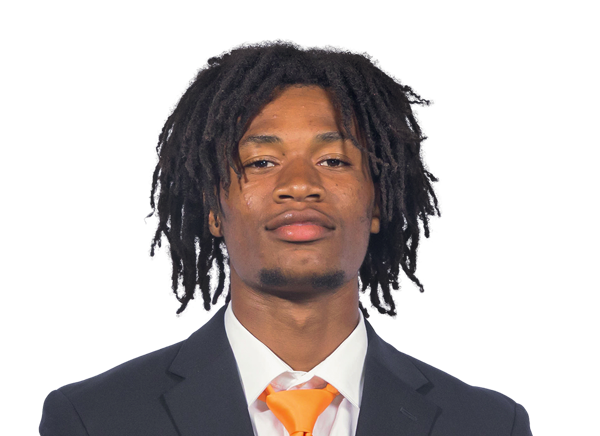
Jayden Jackson
DL1TOklahoma
toJaguars
On the money. Ranked 85, taken 83. Best player available over need.
With no clearly defined top need on the board at this point, Jacksonville leans on best-player-available thinking and grabs Jackson essentially at his ranked slot, just two picks ahead of where the board had him. That's a marginal reach, but a defensible one for a 4-3 front looking to add mass and anchor strength inside, especially after already addressing safety and linebacker earlier in this draft. It's a value-neutral pick that fills out the trenches rather than reaching for need.
Jackson's 322-pound frame, natural leverage and heavy hands make him a candidate to eat space as a base-down 1- or 3-technique in Jacksonville's 4-3, and his 4.95 forty testing suggests more short-area quickness than his size implies. He's not ready to be a third-down pass rusher since his plan still relies too heavily on the bull rush and stalls against anchored guards, but as a run-stuffing rotational piece who can develop into a starter, he addresses the kind of interior girth the Jaguars can plug in on early downs while he refines his hand placement and conditioning.
Pick grade C+ · Dl1t
84
Terrance Carter Jr
TETexas Tech
toSteelers
Slight value, 81 on the board and gone at 84. Depth more than need.
TE isn't on Pittsburgh's need list at all, but with the quarterback, edge, corner, and linebacker boxes already checked earlier in this draft, grabbing the best player available makes sense in Round 3. Carter fell three spots past his rank, so this isn't a reach, it's a modest value pick on a productive receiving weapon who gives a young quarterback room another reliable target.
Carter is a slot-flex weapon, not an in-line blocker, and that matters for a team that will need to figure out how to scheme him rather than just plug him into a traditional tight end role. His 77.4 percent catch rate and 404 yards after the catch in 2024 show a player who wins with route savvy and elusiveness, not size, at a modest 6'2" and 245 pounds. Pittsburgh gets a mismatch piece against linebackers and safeties, but his blocking limitations mean he projects more as a receiving specialist early on than a true three-down tight end.
Pick grade C+ · Tight end · via from DAL
85

Bray Hubbard
SAlabama
toLions
On the money. Ranked 84, taken 85. Fills their sixth need.
Detroit already used a Round 1 pick on edge help and a Round 2 selection on a cornerback, so by pick 85 they're mopping up depth concerns, and safety sits sixth on their board for a reason. Hubbard barely slides past his rank at 84, so this isn't a value coup so much as a sensible fit of need and grade lining up almost exactly. Taking a First-Team All-SEC safety with real ball production in the third round, even at a lower-priority need, is easy to defend.
Hubbard's game is built on instincts and ball skills, seven career interceptions, eight pass breakups, and a low QBR allowed when targeted, all of which translate well to a zone-heavy role in Detroit's 4-3 where he can read quarterbacks rather than chase burners deep. His quarterback background shows up in how quickly he diagnoses play action, though that same aggressiveness leads him to bite on fakes and can get exposed against quicker slot receivers given his average NFL athleticism and hip stiffness. He projects as a versatile backup early who can play free, strong, or dime, with the tackling inconsistency and limited long speed capping him below a true starter ceiling for now.
Pick grade C+ · Safety
86
Wendell Gregory
EDGEKansas State
toTexans
Mild reach, ranked 92 and taken 86. Their second-biggest hole.
Houston already used its first two picks on running back and interior line, so pivoting to edge rusher here fills the number two need on the team's list. Taking Gregory at 86 when he's ranked 92 is a mild reach, six spots early, but pass rush depth behind whatever the Texans have on the roster is thin enough that the small reach is defensible rather than reckless.
Gregory profiles as a depth and developmental piece for a Texans front that runs a 4-3, a scheme that requires edge defenders capable of setting the edge in the run game as well as rushing the passer on early downs. He was available in the third round rather than sooner because of question marks in his overall polish, which limited him to the low 90s range on the board, but he gives Houston another body to rotate in as they continue restocking a defensive line that still needs interior help behind him.'
Pick grade C+ · Edge rusher
87

Zach Lutmer
SIowa
toPatriots
On the money. Ranked 87, taken 87. Their second-biggest hole.
Safety sits at the number two need on New England's board, and Lutmer comes off the board at exactly his rank of 87, so there's no reach to defend here. After grabbing Jamari Johnson to address tight end in round two, the Patriots pivot right back to their priority list and land a versatile piece who can help fix a secondary that clearly needed reinforcement. This is a team building methodically down its need chart rather than chasing upside outside of it.
Lutmer projects as a slot-and-box nickel who blitzes, covers and fits the run, which gives New England's 3-4 scheme a chess piece rather than a boundary corner replacement. His 2025 tape shows 56 tackles, 5.5 tackles for loss, three interceptions including a pick-six and 32 run stops from an inside alignment, production that matches the disruptive profile teams want in sub-packages. The concern is finishing, he missed 15 tackles and struggles in space when pushed outside into man coverage, so New England will likely keep him inside where his instincts and blitzing translate best.
Pick grade C+ · Safety
88
Mark Fletcher Jr
RBMiami
toBroncos
Mild reach, ranked 93 and taken 88. Their third-biggest hole.
Denver already used an earlier pick on tight end help, but running back was still sitting at their third-ranked need, and Fletcher's the pick even though it's a mild reach at 88 versus his rank of 93. Grabbing a Miami back here suggests the Broncos want to add a complementary or eventual replacement piece to their backfield rather than wait and hope one falls in the middle rounds. Five spots early is a minor cost for filling a real need.
With no detailed scouting profile provided, this projects as a depth and competition addition for Denver's backfield rather than a guaranteed starter. The lack of available data on his measurables or college production makes it hard to define his exact role, but taking him at this need slot signals the front office sees enough tape to like him as a rotational back who could carve out carries early and compete for more as camp progresses.
Pick grade C+ · Running back
89
Luke Montgomery
OGOhio State
toBengals
A reach. Ranked 103, taken 89. Best player available over need.
Cincinnati already used an earlier pick on tackle Cayden Green, but interior offensive line remains a real need behind linebacker, tackle and IOL on their priority list, so doubling up on the offensive line makes sense even if it means passing on defense again. Taking Montgomery at 89 when he's ranked 103 is a modest reach, but for a team that clearly wants to rebuild its trenches, grabbing a disciplined, experienced Big Ten guard is defensible even if the value isn't perfect on paper.
Montgomery's 6'5" frame and unusual length for a guard fit a Bengals line looking for players who can move people, and his track record of just two sacks allowed over 870 snaps and only two penalties in his first full season starting shows the kind of discipline this line needs. He projects best in the run game, generating push on doubles, but his tackle-tall pad level got exposed against Miami's playoff front and in the Texas opener, meaning Cincinnati is betting his technique refines against elite power rushers rather than plugging him in as an instant finished product.
Pick grade C · Guard
90
Isaac Brown
RBLouisville
toVikings
Mild reach, ranked 94 and taken 90. Fills their fourth need.
Running back sits at the bottom of Minnesota's listed needs behind quarterback, edge, safety and interior line, and taking Brown four spots ahead of his rank at pick 90 is a minor reach given the roster still has bigger holes to plug. But this is a value-add pick, not a foundational one; the team has already addressed premium needs with CJ Carr, Koi Perich and John Henry Daley earlier in this draft, so spending a mid-round pick on explosive depth at a lightly prioritized position is defensible rather than reckless.
Brown's game is built on explosiveness in space, evidenced by his 8.8 yards per carry in 2025 and 39 missed tackles forced on just 100 attempts, and Minnesota can use him as a change-of-pace weapon rather than an every-down back. At 5-9 and 190 pounds, he's not going to hold up in pass protection or grind between the tackles, and the leg injury that cost him half his sophomore season plus two fumbles on limited touches will keep him fighting for a role rather than a guarantee. If he can carve out a package that hits creases and turns them into secondary-level runs, he adds juice to a backfield without asking him to do more than he's built for.
Pick grade C+ · Running back · via from PHI
91
Anthonie Knapp
OTNotre Dame
toRavens
On the money. Ranked 89, taken 91. Their second-biggest hole.
Offensive tackle sits as Baltimore's second-biggest need, and grabbing Knapp here at 91, just a couple spots past his rank of 89, is a defensible value pick even though the earlier tackle-needy teams were already off the board. Baltimore already used a third-round pick on Nick Marsh at wide receiver, so this continues a pattern of filling need slots with slight value rather than reaching, and Knapp gives them a projectable body they can develop rather than plug in immediately.
Knapp's 27 career starts at left tackle, cut-in-half pressure numbers, and violent, latch-and-stay hands in the run game make him an appealing developmental piece, but at roughly 300 pounds with short arms, he's already been earmarked by evaluators for a move to guard or center, which fits Baltimore's ground-and-pound offensive identity better than a pure pass-protecting scheme. His run-blocking grades already outpace his pass sets, and Baltimore can afford to let him redshirt at tackle while he learns an interior spot, banking on the power and processing translating once the frame concerns are neutralized inside.
Pick grade C+ · Offensive tackle
92
PJ Williams
OTSMU
toSeahawks
Mild reach, ranked 95 and taken 92. Fills their sixth need.
Seattle already used earlier picks on CB and WR, so grabbing a tackle here is more about roster building than filling the top of the need sheet, which still lists EDGE, IOL, and CB above OT. Taking Williams at 92 over his 95 ranking is a minor reach, but for a team that needs a dependable swing or eventual starting right tackle, the three-spot gap is easily defensible given how thin experienced tackle depth gets by round three.
Williams brings 29 career starts and a clean 2025 season at right tackle, allowing just two sacks on 448 pass-blocking snaps with one of the conference's best pressure rates, exactly the kind of low-error, right-tackle-only profile Seattle can plug in without asking him to protect a blind side. His slow-leak tendency against long, powerful edges, the same issue that showed up against Miami's length, caps his ceiling at solid starter rather than difference-maker, but his balance between run and pass blocking and his positional versatility give the Seahawks a plug-in option behind their offensive tackle need.”}}
Pick grade C+ · Offensive tackle
93
Suntarine Perkins
OLBOle Miss
toChiefs
Mild reach, ranked 98 and taken 93. Best player available over need.
Linebacker sits third on Kansas City's board and Perkins offers the kind of explosive, coverage-first profile that's rare at that position, even if taking him five slots ahead of his ranking is a mild reach. With the Chiefs having already used a second-round pick on the offensive line, doubling back to add a projected weakside coverage linebacker who can also blitz gives the defense a versatile chess piece rather than a plug-and-play starter. It's a bet on upside over polish, which is defensible given how thin true off-ball linebacker options were at this point.
Perkins profiles as a developmental three-down weakside linebacker in a coverage-heavy scheme, and his 94th-percentile coverage grade, closing burst, and 10.5 sacks as a sophomore give Kansas City a hybrid piece who can match backs and tight ends or rush off the edge in sub-packages. The catch is he's logged only 49 career snaps as a true box defender and is undersized at 210-220 pounds, so he'll need added mass and more structured reps before he can hold up against NFL blockers on early downs. For now he's a nickel and blitz weapon whose ceiling depends on how his frame and role develop.
Pick grade C+ · Linebacker
94
Andrew Sprague
OTMichigan
to49ers
A reach. Ranked 110, taken 94. Fills their fourth need.
San Francisco has bigger holes at interior line, running back and safety, but tackle depth is a legitimate concern, and reaching 16 spots for Sprague at 94 signals they wanted their guy before he was gone. This is a swing for developmental upside rather than an immediate need fix, and given the roster's other priorities were already addressed earlier, it's a defensible bet on traits over reach math.
At 6-8 with length that swallows speed rushers once he gets his hands on them, Sprague projects as a developmental right tackle who won't need to start immediately behind San Francisco's line. His one year of Michigan tape shows real progress, from clean protection against Michigan State to allowing 17 hurries as a first-year starter, and his run blocking still lags the standard expected at that program. The 49ers can afford to let his feet catch up to his frame while he develops on the roster's timeline, with three years of eligibility used up but a long runway still ahead of him physically.
Pick grade C · Offensive tackle
95
Anthony Smith
DLMinnesota
toSaints
On the money. Ranked 96, taken 95. Best player available over need.
Wait, the data here is a mismatch, this profile describes a wide receiver, not a defensive lineman, but going by the roster context the Saints have already hit tackle and edge with earlier picks, so at 95 they're simply grabbing the top name left on their board rather than filling a specific need. It's essentially a one-spot reach, taken 95 versus a rank of 96, which is negligible and easily defensible given how thin the value gap is at this stage of the third round.
If this is in fact a speed-based pass catcher rather than a true DL, the fit for New Orleans is as a field-stretcher who can win with straight-line speed, a 4.43 40 and 41-inch vertical, rather than polish. He profiles as a situational deep threat who needs to refine his route tree and clean up drops, six in 2025 alone, before he can be more than a rotational or developmental piece, but his big-play juice and 17.8 yards per catch career average give the offense a vertical dimension worth developing on the roster.
Pick grade C+ · Dl · via From BUF | tradeId: BUF_NO_76
96
Nyck Harbor
WRSouth Carolina
toChiefs
On the money. Ranked 97, taken 96. Depth more than need.
Wide receiver sits dead last on KC's own priority list, but this pick is really about talent over need at pick 96, essentially a coin flip from his consensus rank of 97. With Rashee Hopkins and the rest of the receiver room still lacking a true vertical threat, Kansas City is betting on a generational size-speed profile rather than filling one of its bigger holes at tight end or tackle, both already addressed earlier in this same draft with Trevor Lauck at OT. It is a defensible swing given how far Harbor's ceiling exceeds his draft slot.
Harbor gives KC something they don't have on the roster: a 6'5", 235-pound receiver who topped 23.6 mph on GPS and ran a 20.20 in the 200m, a build that immediately opens up vertical shots and contested-catch situations in the red zone. His route tree is still thin, leaning on verticals and simple in-breakers, and he struggles vs press with upright releases and average hand technique, so he projects early as a situational deep threat and developmental piece rather than an immediate every-down starter. The tools are worth the wait, especially after his 2025 breakout of 618 yards and 6 touchdowns hinted the production is starting to catch up to the measurables.
Pick grade C+ · Wide receiver · via from LAR
97
Christian Alliegro
LBOhio State
toTitans
On the money. Ranked 99, taken 97. Fills their fifth need.
Linebacker sits fifth on Tennessee's list of needs, and after loading up on the offensive and defensive lines earlier plus already addressing WR and QB, the Titans use this pick to shore up depth at a position they've clearly flagged as a concern. Taking Alliegro two spots ahead of his #99 ranking is a mild reach, but with the board thinning out for linebackers, it's a defensible move to lock in a player at a need position rather than risk him being gone before their next selection.
Alliegro projects as a depth piece who can compete for a rotational role in a 3-4 scheme, giving the Titans another body at a position they clearly view as thin behind the starters. Coming out of Ohio State, he brings the kind of pedigree that suggests untapped upside, even if the scouting profile here is limited enough that his exact strengths and weaknesses remain to be proven at the next level. For a team prioritizing bigger holes up front, this is a low-risk swing to add competition and depth at linebacker.
Pick grade C+ · Linebacker
98
Evan Tengesdahl
IOLCincinnati
toDolphins
Mild reach, ranked 104 and taken 98. Fills their fifth need.
Interior offensive line sits fifth on Miami's need list, and after already addressing quarterback and edge with earlier picks, grabbing a proven guard here is a reasonable pivot into depth. Taking Tengesdahl six spots ahead of his #104 rank is a mild reach, but for a player with a clean, dominant single season of starting film, that's a defensible bet rather than a reckless one.
Tengesdahl's calling card is power in the run game, an 89.7 PFF run-blocking grade that led all Power Four guards, plus zero sacks allowed on 408 pass-blocking snaps, which suggests he can step into Miami's interior rotation without embarrassing himself immediately. The concerns that dropped him, short arms, a squatty frame, and average athleticism for pulls and second-level work, mean he projects best as a power-scheme guard rather than a plug-and-play zone blocker, and with only one year of starting tape, Miami is banking on the trajectory as much as the resume.a
Pick grade C · Interior o-line
99
Whit Weeks
LBLSU
toBrowns
On the money. Ranked 100, taken 99. Depth more than need.
Linebacker isn't among Cleveland's top eight listed needs, but with the board thinning out at Pick 99 and Weeks sitting right at his rank of 100, this is close to a true value grab rather than a reach in spirit. The Browns have already used earlier picks on Dante Moore, Charlie Becker, Ahmad Moten Sr and Elijah Green to hit bigger needs, so taking the best player available here is a defensible pivot rather than an offense-first team ignoring holes.
Weeks fits Cleveland's 4-3 as a modern WILL linebacker who can run with backs and tight ends, using his fluid hips and start-stop burst to stay in phase, and he brings a sharp blitz package with stick and arm-over moves as a pass rusher off the edge in sub packages. His 2024 tape, 125 tackles and an SEC-leading 61 solo stops, shows real difference-making range, but the 225-pound frame, short arms and the regression after his broken ankle and fibula injury in 2025 mean he'll need to add mass and clean up his tackling and zone awareness before he's trusted as a full-time starter.
Pick grade C+ · Linebacker
100
Tavion Gadson
DLKentucky
toCardinals
On the money. Ranked 101, taken 100. Best player available over need.
With their premium needs at quarterback, edge, safety and tackle already addressed earlier in this draft (Dylan Stewart at EDGE, LaNorris Sellers at QB, Bryant Wesco at WR), Arizona uses this pick on IDL depth even though it's not their top listed priority. Taking Gadson essentially at his rank, just one spot early, is a minor reach but hardly egregious given the board had thinned out and interior line help was still on the priority list at seven.
Gadson slots into Arizona's 4-3 front as depth and eventual rotational help on the interior, an area of real need after the top of the roster's priority list got filled. There isn't extensive statistical detail available on him here, but being available at pick 100 near his consensus rank of 101 suggests a solid, unspectacular evaluation, a player without a standout trait that would have pushed him higher but with enough functional traits to compete for playing time on the defensive line.
Pick grade C · Dl